


Adventure in Northern Peru: Cloud People Ruins and Gocta Waterfall
When people think of Peru, what usually comes to mind is Machu Picchu, the Inca Trail, or Cusco. Yet in the north of Peru lies a land that remains little known—Chachapoyas. Not only is it the capital of the Amazonas region, but it was also the cradle of the mysterious civilization of the “Cloud People.” Surrounded by mist and jungle, this land reveals another chapter of Peru’s history: majestic stone fortresses, cliffside tombs, mummies hidden in the forest, and a world-class waterfall thundering down the mountainside. Together, they create a journey through both time and wilderness.
First Impressions of Chachapoyas: The Tranquil Mountain Town
Chachapoyas is located in the Utcubamba River valley. Founded by Spanish colonizers in 1538, it became an important settlement at the crossroads of the Andes and the Amazon. Unlike bustling Lima or Cusco, it carries a calm and distinctly South American charm.
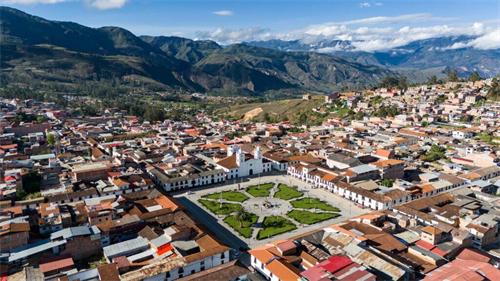
The Plaza de Armas stands out at the heart of the city, with a monument honoring the heroes of the 1821 battle for independence. To the west rises a hill where, according to legend, Archbishop Santo Toribio struck a rock during a drought and a spring burst forth, saving the townspeople. Today, the fountain there has become a must-visit spot—locals say the first jet of water brings love, while the second may bring resentment.
The town’s main commercial street is also worth exploring. Handicraft shops and cafés line both sides, offering ceramics and sculptures blending Indigenous and Spanish influences, as well as authentic Andean dishes. Compared with Peru’s southern tourist hotspots, Chachapoyas feels quieter—an ideal place to linger.
Fortress in the Clouds: Kuelap
Deep in the misty highland jungle lies the ancient fortress of Kuelap, built by the Chachapoya around the 7th century. Perched at nearly 3,000 meters, it is often called the “Machu Picchu of the North.”
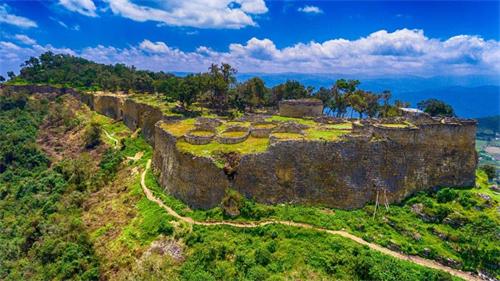
The site is immense: covering six hectares, its defensive walls reach 20 meters high, constructed with massive limestone blocks. Within the enclosure lie about 500 circular structures once used for ceremonies, housing, and even burials. Archaeologists believe Kuelap was not just a military stronghold but also a political and religious hub. Older than Machu Picchu, it predates the rise of the Inca Empire.
How to visit:
- From Chachapoyas, drive about 1 hour and then take a 20-minute cable car to the top.
- For a challenge, hike 4 hours, ascending 1,200 meters, gaining firsthand insight into how Andean civilizations built on such rugged terrain.
Even with the cable car, visiting Kuelap takes most of a day. From its heights, surrounded by mountains and seas of clouds, you feel as if you’ve entered the world of the Cloud People.
Tip: The ruins are open daily 8:00–17:00, but the cable car does not operate on Mondays. On that day, hiking is the only way to reach the site. Entry costs about 20 soles (~6 USD).
The Cloud People: Mysterious “Warriors of the Mist”
The Chachapoya, also known as the Cloud People, thrived between the 7th and 16th centuries in Peru’s northeastern highlands. Though they left no written language, their architecture and funerary practices speak of their beliefs and way of life.
They built their settlements on slopes between 2,000 and 3,000 meters, often in hard-to-reach locations with sweeping views. Their round stone houses were decorated with geometric friezes, and their towering walls showed remarkable skill. Most distinctive was their burial custom: placing the dead in cliffside tombs so that their souls might ascend to eternity.
This blend of nature, mystery, and reverence can still be felt in their ruins—from Kuelap’s walls to cliffside sarcophagi and mummies hidden in caves. These remind us that Peru’s ancient history is not only Inca, but also the legacy of the Cloud People who vanished into the mist.
A World Wonder: Gocta Falls
Beyond ruins, the natural wonders of Chachapoyas are equally striking, with Gocta Falls being the crown jewel.
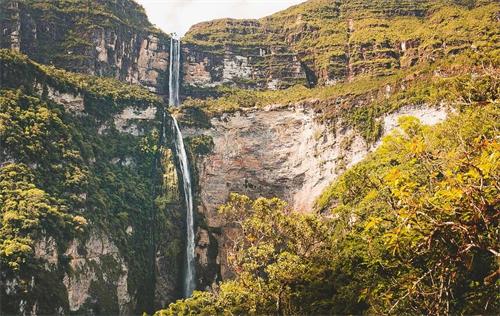
Dropping 771 meters in two tiers, it is among the tallest waterfalls in the world. Though less famous than Iguazu or Angel Falls, it is no less spectacular. Local legend held that a water spirit guarded the falls, keeping them hidden from outsiders until 2002, when a German explorer documented them.
The hike begins in the village of Cocachimba, a two-hour trek through rainforest filled with birdsong, hummingbirds, and hornbills. Long before you see it, you hear the roar. Then, as you stand beneath the cascade, the sight of water plunging from the sky leaves you breathless.
The best viewing season is the rainy months from December to March, when the flow is at its most powerful. Even in the dry season, the pristine waters and lush valley remain unforgettable.
Funerary Traditions in the Clouds: Revash & Karajía
The Chachapoya’s unique burial customs are best seen at two nearby sites:
- Revash Mausoleums
Perched at 2,800 meters, these cliffside tombs look like miniature houses with sloping roofs and painted walls of red-and-white geometric and animal designs. Once filled with mummies and offerings, most remains are now housed in the Leymebamba Museum. Visitors can only view the mausoleums from a distance across the valley—an eerie but fitting perspective.
- Karajía Sarcophagi
About 48 km northwest of Chachapoyas, six striking anthropomorphic sarcophagi, each around 2.5 meters tall, stand on a cliff face. Made of clay and straw, they once housed the remains of Chachapoya elites. Facing east toward the rising sun, they symbolize reverence for life’s renewal, while their high perch protected them from looters.
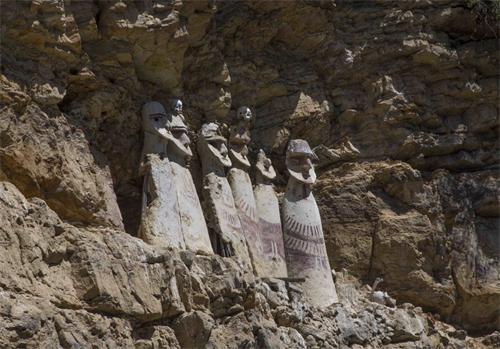
These two sites are often visited together, along with the Leymebamba Museum, which houses more than 200 mummies from Lake of the Condors, along with ceramics, textiles, and quipu knotted records.
Nature and Trekking: Where Andes Meet Amazon
Chachapoyas also offers superb hiking for those with more time:
- Pomacochas Cloud Forest & Lake San Carlos
Just 2–3 hours east of the city, this serene lake invites kayaking and hikes around its shore. Birdwatchers come here hoping to spot Peru’s national bird, the Andean cock-of-the-rock, and rare hummingbirds.
- Gran Vilaya Trek
A multi-day adventure lasting 4–5 days, this route passes through Chachapoya ruins and remote jungle, from Chachapoyas to Kuelap via Choctamal and Gran Vilaya. With few visitors and only ruins, forest, and mountains for company, it’s a dream for explorers.
A Journey Through the Clouds
Compared with the fame of Machu Picchu, Chachapoyas remains understated. Yet this very obscurity has preserved its authenticity and mystery. From the misty fortress of Kuelap to cliffside sarcophagi and house-like tombs; from the thunder of Gocta Falls to silent cloud forests and forgotten trails—this is a true explorer’s paradise.
If Machu Picchu symbolizes the glory of the Inca Empire, then Chachapoyas embodies another epic—one largely forgotten. Here you can touch the cultural crossroads of Andes and Amazon, and feel the ancient awe of a people who lived between mountains and clouds.
Setting foot here is more than travel—it is a quest for a civilization long hidden in history’s mist.
Recommended for you: