


Baltic States Travel Guide: Exploring Lithuania, Latvia, and Estonia in Depth
On the northeastern edge of Europe, along the Baltic Sea, lie three small yet captivating countries: Lithuania, Latvia, and Estonia. Once part of the former Soviet Union, they now stand proudly independent, offering the world a glimpse of their unique cultures, centuries of history, and landscapes that linger in memory. Here, you can feel the romance of medieval towns, sense the heavy echoes of Soviet relics, and lose yourself in forests, beaches, and islands that exude a Scandinavian sense of calm and purity.
For this journey, I followed a classic Baltic route: starting in Vilnius, the capital of Lithuania, passing through Riga, the vibrant heart of Latvia, and ending in Tallinn, Estonia’s fairy-tale medieval city. Along the way, I ventured into natural wonders and even explored a few off-the-beaten-path islands. The trip felt like a voyage through time, where history and culture intertwine, revealing the magical spirit of this northern corner of Europe.
Lithuania: A Country Where Rain and History Coexist
The name Lithuania is said to derive from a word meaning “land of rain.” Locals often joke that the skies here are always grey, with drizzle forming the soundtrack of daily life. But this small nation of fewer than three million people takes great pride in its cultural legacy—it boasts five UNESCO World Heritage Sites.
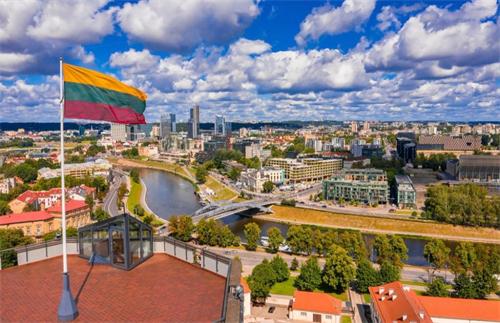
Vilnius: The Time Capsule of the Old Town
Lithuania’s capital, Vilnius, is one of Europe’s most charming and underrated cities. Its Old Town is a UNESCO World Heritage Site, separated from the modern part of the city by a winding river, as if two eras were quietly facing each other.
At the center stands Vilnius Cathedral, a gleaming white neoclassical structure with a soaring cross above. The cathedral is open to visitors free of charge, but access to the crypts and special exhibitions requires a ticket. Standing in Cathedral Square, one feels an atmosphere of solemn calm.
Beside it is the reconstructed Palace of the Grand Dukes of Lithuania, once demolished in 1801 but now revived as a museum. Inside, visitors can trace the lives of Lithuania’s rulers and understand the country’s important place on the European stage. In the square, the statue of Grand Duke Gediminas reminds everyone that he was the true founder of Vilnius.
For sweeping city views, climb the Gediminas Tower. The entrance fee is about €6, but if you prefer a free option, hike up to the Hill of Three Crosses across the river. From both spots, the panorama of red-tiled roofs and flowing river is unforgettable—an image of timeless Vilnius.
Trakai: A Fairy-Tale Castle on a Lake
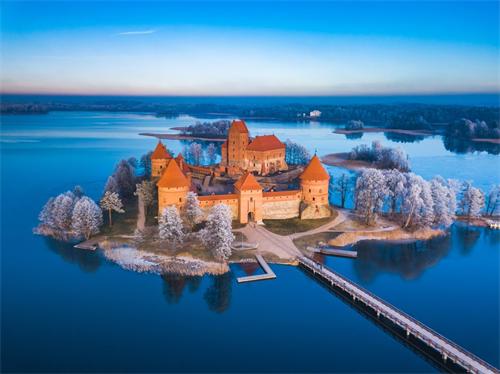
Just an hour’s bus ride from Vilnius lies Trakai Castle, perched on an island in the middle of Lake Galvė. Walking through its gates feels like stepping into a medieval chronicle. Today, the castle serves as a museum showcasing Lithuania’s history, with exhibits that range from the medieval era to the modern day. In summer, concerts and cultural events bring extra charm to this romantic setting.
The Curonian Spit: A Landscape Between Lake and Sea
Heading west to the coast, Lithuania reveals its natural masterpiece—the Curonian Spit. This 98-kilometer sand dune peninsula separates the Baltic Sea from the Curonian Lagoon, creating a landscape both surreal and fragile. At its narrowest, the spit is just 400 meters wide, while its widest section stretches only 4 kilometers. Shifting dunes rise up to 60 meters, forming waves of sand sculpted by wind and water.
The northern half belongs to Lithuania, while the southern part is in Russia’s Kaliningrad region. From the Lithuanian side, you can even spot Russian watchtowers in the distance. Quiet fishing villages, traditional houses, and serene beaches make time feel slower here. No wonder the site was inscribed as a UNESCO World Heritage Site in 2000.
Flavors of Lithuania
Lithuanians have a deep love for potatoes. Their national dish, Cepelinai (large potato dumplings stuffed with meat or cheese), is both hearty and comforting. Pair it with a bowl of mushroom soup served in dark rye bread, and you’ll understand the essence of Lithuanian comfort food. For drinks, try mead, a honey-based alcohol that is strong yet sweet—a taste that feels as ancient as the land itself.
Travel Tips for Lithuania
- Best season: May to September for pleasant weather.
- Transport: Public buses cost about €1 per ride.
- Souvenirs: Don’t miss Lithuanian amber, prized worldwide as “Baltic gold.”
Latvia: A Symphony of Forests and Art
The word Latvia in its native language is said to symbolize “armor,” reflecting resilience and strength. The country is draped in endless forests and blessed with a long stretch of Baltic coastline. If Lithuania is the land of rain, Latvia is a harmonious blend of green nature and cultural richness.
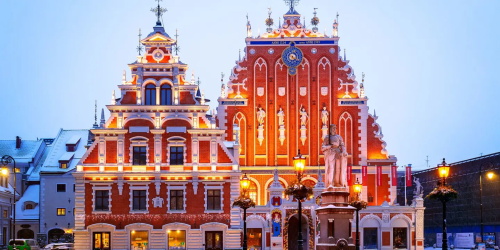
Riga: The Beating Heart of the Baltics
The capital, Riga, is the largest city in the Baltic States and proudly wears the title “Art Nouveau capital of the North.” Wandering through the Old Town, with its narrow cobblestone lanes, feels medieval, but glance upward and you’ll see ornate facades so intricate they leave you breathless.
Among the landmarks stands St. Peter’s Church, a Gothic tower that has withstood wars and rulers for over 800 years. Climbing its 72-meter observation tower (€9 ticket) rewards you with a panoramic view of Riga and the broad Daugava River.
Not far away, the Riga Central Market is an experience in itself. Converted from former Zeppelin hangars, this is Europe’s largest and oldest functioning market. Inside, stalls overflow with fresh fish, smoked meats, cheeses, fruits, and fragrant rye bread. The bustling atmosphere embodies Riga’s everyday life.
Jurmala: Seaside Charm
Less than a half-hour from Riga lies Jūrmala, a summer retreat famous for its sandy beaches stretching for miles. Fine white sand, pine-lined shores, and a lively boardwalk create a quintessential holiday atmosphere. A bronze turtle sculpture on the beach has become a beloved photo stop. With a bus ticket costing only €1.75, this seaside escape is a favorite weekend getaway for locals.
Travel Tips for Latvia
- Getting around: Public transport is efficient, and Bolt ride-hailing is widespread.
- Winter visits: Expect short daylight hours—plan your mood and activities accordingly.
- Currency: Euro. Most young Latvians speak English, making communication easy.
Estonia: People of the Water’s Edge
The name Estonia is thought to mean “people living by the water,” a fitting title for this Nordic-tinged nation. Compared with Latvia, Estonia feels cooler, more reserved, yet distinctly Scandinavian in character.
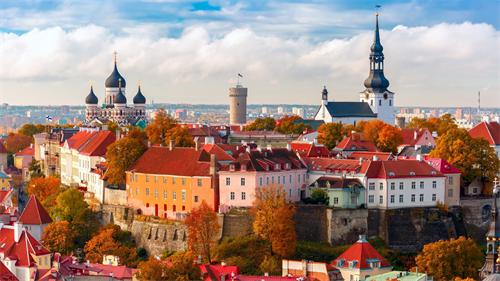
Tallinn: A Medieval Time Machine
Tallinn, the capital of Estonia, feels like a step back in time. Its cobblestone alleys, fortified walls, and turreted towers make you feel as if you’ve stepped into a fairy tale.
A must-see is St. Olaf’s Church, once the tallest building in Europe. Today, for €5, you can climb to its 124-meter viewing platform. The climb is narrow and steep, but the reward—a vista of terracotta roofs blending into the blue expanse of the Baltic Sea—is worth every step.
Another landmark is the Alexander Nevsky Cathedral, an Orthodox church with onion domes that reflect Estonia’s complex history under Russian influence. Entry costs €3, and stepping inside immerses you in incense-laden air and rich mosaics.
Island Adventures: Saaremaa and Hiiumaa
Estonia’s charm extends far beyond Tallinn. Saaremaa, the country’s largest island, is renowned for its spas and clusters of traditional wooden windmills. In the capital, Kuressaare, mud therapy centers attract wellness seekers, while the Angla Windmill Hill preserves five iconic mills that symbolize the island’s heritage.
Nearby, Hiiumaa is quieter still, often hailed as one of the best stargazing spots in Northern Europe. With its rustic fishing villages, historic lighthouses, and untouched landscapes, it feels like stepping into another era. Renting a bicycle to circle the island, then enjoying a dinner of freshly caught herring, is a memory that lingers long after departure.
Transport links include ferries and buses from Tallinn; there are also flights, though they tend to be pricier.
Tastes of Estonia
Food in Estonia reflects its northern soul. Dark rye bread is a staple, paired with cheese or smoked meats. Fish soups, hearty and aromatic, are beloved along the coast. During festive seasons, locals prepare blood sausages, a dish tied to ancient traditions and winter feasts.
Reflections on the Journey
Traveling through the Baltic States felt like embarking on a layered adventure across history, culture, and nature.
- In Lithuania, I wandered rain-washed streets, marveled at castles and sand spits, and sensed the pride of a nation small in size but rich in heritage.
- In Latvia, I admired stunning Art Nouveau facades in Riga, then found balance and joy along Jurmala’s golden coast.
- In Estonia, I stepped back into medieval times in Tallinn and tasted solitude on remote islands where nature still rules.
Though small in scale, the Baltic States are like three scattered jewels on Europe’s map, each shining with its own light. Whether you’re a history enthusiast, a seeker of nature, or simply someone longing for a quieter corner of the continent, Lithuania, Latvia, and Estonia promise a journey that will stay with you long after you leave.
Recommended for you: