


Traveling to Vanishing Destinations: Maldives, Great Barrier Reef, and Alpine Glaciers
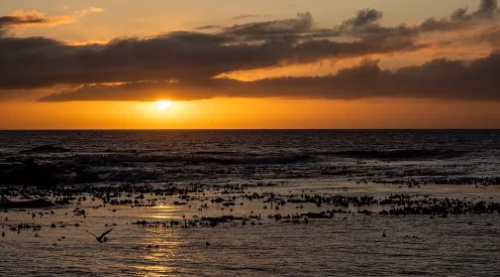
The rise and fall of beauty is part of nature’s cycle. For the tourism industry, this truth applies with equal force. Many of the world’s most famous destinations attract countless travelers each year, but such popularity often proves to be a double-edged sword. On one hand, it brings prosperity and growth; on the other, it accelerates environmental degradation. Combined with climate change, human activity, and even the potential risks of nuclear pollution, some of the planet’s most picturesque sites now stand precariously on the edge of disappearance.
These places are like grains of sand in an hourglass, slipping away little by little. One day in the future, perhaps they will survive only in books or in virtual reality. It is precisely because of this uncertainty that we must seize the moment, witness them in person, and hold their unique beauty in our hearts.
First Stop: The Maldives — Pearl of the Indian Ocean
A Vision of Blue Between Sea and Sky
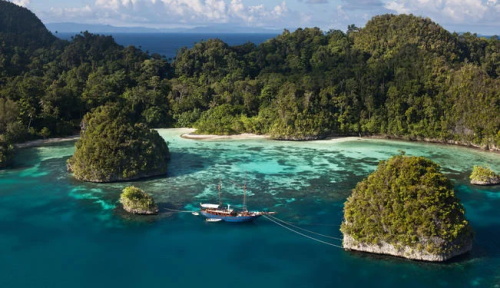
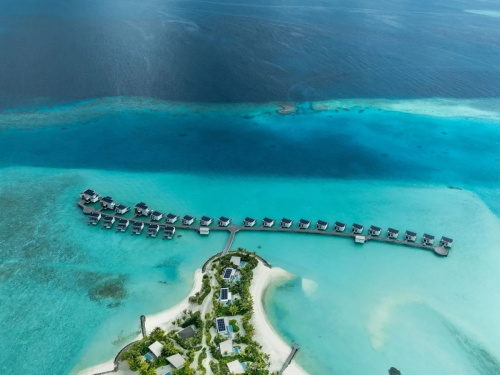
The Maldives is more than just water villas and infinity pools. What moved me most was the crystalline clarity of the ocean and the 1,200 islands scattered across the Indian Ocean, glittering like pearls beneath the sun. It is the lowest-lying country in the world, with an average elevation of only 1.2 meters. Rising sea levels caused by global warming are placing its very existence under threat. Scientists predict that within the next century, it may be completely submerged. The Maldivian government has even begun considering the purchase of foreign land to prepare for a possible national relocation.
And yet, standing on the white sands and gazing out at the endless turquoise waters, one can still feel the profound peace and purity of this land. The cultural heritage of the Maldives is equally rich. Islam has been the national faith since the 12th century, with more than 800 years of continuous tradition, but archaeological and literary evidence reveals its history stretches back to pre-Islamic times.
When to Visit?
The Maldives has a tropical maritime climate, with average temperatures hovering around 28°C year-round.
- High Season (December–February): The weather is at its best, with minimal rainfall and the clearest waters. Prices, however, are high, and resorts often fill months in advance—especially during Christmas and Chinese New Year.
- Shoulder Season (March–April): Still sunny, with excellent conditions for surfing. However, temperatures rise and the UV index often exceeds 10, making sun protection essential.
- Low Season (May–November): The rainy season brings frequent showers and choppy seas. Yet prices drop by 30–50%, making this the best option for budget-conscious travelers.
Choosing an Island
In the Maldives, each resort typically occupies its own island—meaning your choice of island directly shapes your experience.
- For Couples and Honeymoons: Ayada Island (famous for its overwater swings and private pools), or Veligandu (adults-only, no children under 13).
- For Families: Siyam World (the largest water park in the Maldives), or Kuramathi (offering child-friendly policies and kids’ clubs).
- For Snorkeling Enthusiasts: Baros (with world-class coral reefs), or Kandolhu (teeming with colorful fish).
- For Food Lovers: OZEN Reserve Bolifushi (with the famous M6M underwater restaurant), or Kuramathi (with multiple restaurants under all-inclusive plans).
Other factors to watch carefully include island transfers (by speedboat, seaplane, or domestic flight + speedboat) and meal plans (half-board vs. all-inclusive). Hidden costs can add up quickly if not considered in advance.
Ocean Adventures
The Maldives is a playground built by the sea:
- Snorkeling & Diving: Night dives are especially magical—shining a torchlight reveals an entirely different underwater world. A single dive typically costs around USD 120, including equipment.
- Excursions: Dolphin cruises, manta ray encounters (with wingspans of up to 3 meters), and traditional Maldivian fishing trips.
- Seaplane Flights: In just 45 minutes, you can soar above the atolls and marvel at the shifting shades of the ocean—an unforgettable experience.
Travel Tips
- Essential Items: Eco-friendly high SPF sunscreen, snorkeling gear, sturdy beach sandals, and UK-style three-pin adapters.
- Avoid Pitfalls: Be cautious about newly opened artificial islands, check whether wave barriers block your view, and stay clear of resorts too close to local waste facilities.
- Practical Info: Fill out the IMUGA online arrival card 96 hours before departure; note that some resorts add an environmental tax (\~USD 6 per night); bring a VISA/MasterCard and at least USD 500 in cash.
As the seaplane rose above the islands, I couldn’t help but wonder: *Will these blue miracles still exist for future generations?*
Second Stop: The Great Barrier Reef — A Fading Underwater Masterpiece
The World’s Largest Coral Reef System
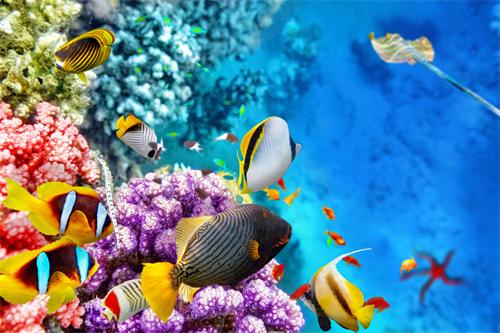
Leaving the Indian Ocean behind, I flew to Australia to witness another threatened wonder: the Great Barrier Reef. Stretching 2,300 kilometers along Queensland’s eastern coast, it is the world’s largest coral reef system, home to over 400 species of coral, 1,500 species of fish, six species of turtles, and countless other marine creatures.
From the pier in Cairns, it is hard to believe this seemingly vast and resilient ecosystem is collapsing. Due to ocean pollution, climate change, and overfishing, more than half of the corals have already bleached and died. Scientists warn that within just 20 years, this “underwater masterpiece” may vanish completely.
Islands and Highlights
- Outer Reef: A one-hour boat ride from Cairns, the Agincourt Reef is known for its crystal-clear water and biodiversity—a paradise for divers.
- Heart Reef: A naturally heart-shaped coral formation, best admired from a seaplane or helicopter, and perhaps one of the world’s most romantic sights.
- Lizard Island: A northern island where giant monitor lizards roam. Its surrounding reefs and lagoons make it a diver’s dream.
- Whitehaven Beach: Often named the world’s most beautiful beach, its sand is 98% pure silica, giving it a brilliant, powdery whiteness.
Getting There and Best Time
Travelers usually arrive in Sydney or Melbourne first, then transfer to Cairns, Townsville, or Hamilton Island. Ferries and speedboats connect the islands, while buses and rental cars are available on the mainland.
The best season is May to October, when the weather is dry, temperatures range from 22–28°C, and underwater visibility is at its peak. Importantly, this period avoids the jellyfish season (November–March), making swimming and diving much safer.
Experiences
- Diving & Snorkeling: Few experiences rival the thrill of swimming among living coral and schools of tropical fish, an encounter that feels both fragile and profound.
- Helicopter Tours: From above, the reefs form surreal patterns, like a giant kaleidoscope shimmering beneath the sea.
Visiting the Great Barrier Reef impressed upon me the fragility of nature. Even a single careless touch can injure coral beyond repair. Our guide reminded us: *Treat this ocean as you would a priceless work of art—fragile and irreplaceable.*
Third Stop: The Alpine Glaciers — Rivers of Ice
The Frozen Heart of Europe
After bidding farewell to the sea, I turned to Europe’s great mountains: the Alps. Spanning France, Switzerland, Italy, Austria, Germany, and beyond, this is the continent’s highest and most famous mountain range.
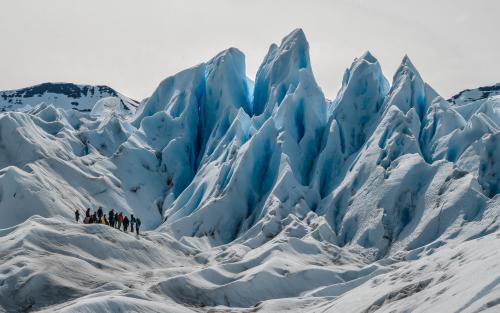
The Alps are both a skier’s paradise and a naturalist’s dream. Yet their glaciers are shrinking at an alarming rate—losing about 3% of their volume every year. By 2100, scientists fear that 90% of these glaciers will be gone. In a bid to slow the process, locals have even resorted to covering glacier surfaces with massive white blankets, shielding them from the sun.
Classic Destinations
- Jungfraujoch: Reachable from Interlaken by train or cable car in about two hours. Its “Ice Palace” and snow-capped panoramas are awe-inspiring.
- Zermatt: A car-free town, renowned as the best vantage point to admire the Matterhorn. The gentle chimes of church bells and the aroma of coffee create a sense of timeless Alpine calm.
- Gornergrat: A cogwheel train takes you to 3,089 meters above sea level, where views extend over the Matterhorn and 29 surrounding glaciers.
- Aletsch Glacier: The longest glacier in the Alps and a UNESCO World Heritage Site. Hiking across it feels like walking on a massive, slow-moving river of ice.
Travel and Seasonal Tips
- Best Time: July–September for hiking and sightseeing; December–March for skiing.
- Transportation: Fly into Zurich or Geneva, then take trains deeper into the Alps. Switzerland’s rail network is excellent, and scenic routes like the GoldenPass Express offer breathtaking views along the way.
- Food & Lodging: Interlaken and Lucerne have many cozy hotels. Don’t miss traditional Swiss fondue—the rich, melted cheese is the true taste of the Alps.
Walking across the Aletsch Glacier, I peered into its deep blue crevasses, which seemed like cracks in time itself. I couldn’t shake the thought: perhaps in a few decades, such wonders will vanish forever.
Cherishing the Beauty of Now
From the Maldives to the Great Barrier Reef, and finally the Alpine glaciers, my journey felt like a farewell to the world’s vanishing treasures. Some are threatened by rising seas, others by warming oceans, and still others by the relentless sun.
They are like sand in an hourglass, slipping away with each passing moment. Fifty years from now, perhaps they will exist only in virtual worlds or memories preserved in photographs. All we can do is cherish them in the present—seeing them with our eyes, feeling them with our hearts, and ensuring they live forever in our memories.
Recommended for you: