


Papua, Indonesia Travel Guide: Exploring the Land of Diversity and Adventure
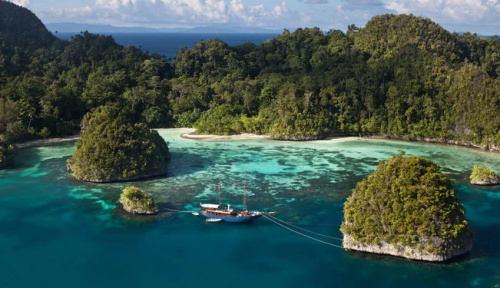
In Indonesia, known as the “Land of a Thousand Islands,” there lies a remote and mysterious destination—Papua. As Indonesia’s largest province by land area, it occupies the western half of New Guinea, with the eastern half belonging to Papua New Guinea. New Guinea is the world’s second-largest island, after Greenland, and is home to about 18 million people, most of whom are indigenous. Papua is not only rich in natural resources but also a sacred land for explorers and culture enthusiasts.
Papua’s Unique Geography and Culture
Papua lies at the easternmost end of Indonesia, bordered by the Pacific Ocean to the north and the Arafura Sea to the south. Its capital, Jayapura, is about a three-hour flight from Jakarta. Compared with other Indonesian islands, Papua remains relatively remote, with a high forest coverage rate and landscapes preserved in their original state.
The word Papua means “curly-haired people,” a reference to the appearance of the indigenous population. Even today, many tribes continue to live in a way reminiscent of the Neolithic era, calling the forest their home and living in harmony with nature. A journey to Papua is not only a scenic trip but also feels like traveling back in time to the origins of human civilization.
Must-See Attractions
Baliem Valley
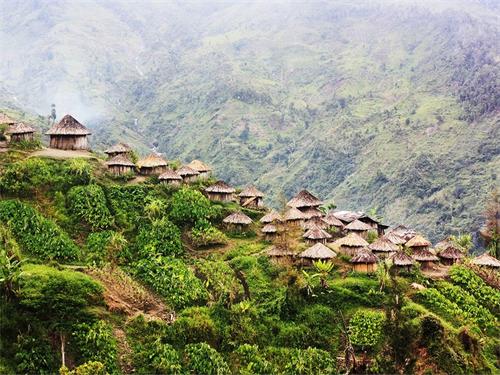
If you want to experience the raw essence of Papua, Baliem Valley is a must. Located in the Central Highlands at an elevation of over 1,600 meters, the valley is surrounded by towering mountains. When an American pilot first spotted the valley from the air in 1938, he was struck with awe.
Here, you can embark on treks lasting anywhere from two to ten days, passing through Dani tribal villages and witnessing their traditional way of life. Men often wear only gourd coverings and boar tusk ornaments, while women don skirts made from tree bark. Though once rumored to be cannibals, the locals today are warm and welcoming, greeting visitors with ancient customs—warriors brandishing bows and spears, accompanied by loud chants.
If you visit in August, you can catch the Baliem Valley Festival, a three-day celebration featuring dances, songs, and mock battles, offering a vibrant showcase of tribal culture that attracts visitors from around the globe.
Biak Island
Situated off the northern coast of Papua, Biak Island offers both natural and historical wonders. With lush forests and an abundance of rare bird species, it is a paradise for birdwatchers. Spending at least four days here is recommended to fully explore the island.
Biak also harbors haunting World War II relics. Beneath its waters lie sunken ships, caves, and abandoned aircraft wrecks, providing divers with an extraordinary blend of history and marine adventure.
Puncak Jaya (Carstensz Pyramid)
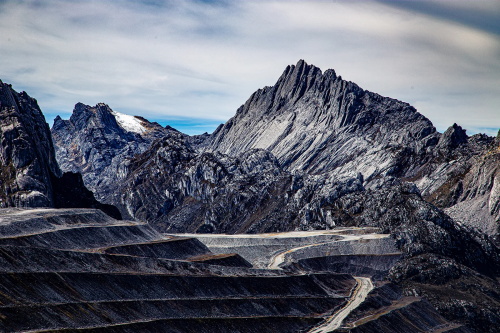
For mountaineers, Puncak Jaya is the ultimate challenge. At 4,884 meters, it is the highest peak in Oceania and one of the “Seven Summits.” Although not extremely high by Himalayan standards, it is known for its technical difficulty, with steep rock walls and highly unpredictable weather.
Reaching base camp requires a four- to five-day trek from the nearest town. Due to its remoteness, climbers must secure permits from the Indonesian government and hire professional guides. Summiting Puncak Jaya is as much a test of determination and skill as it is of physical endurance.
Raja Ampat
If there is one place considered the crown jewel of diving destinations worldwide, it is Raja Ampat. Comprising more than 1,500 islands, this archipelago contains 75% of the world’s coral species and over 1,800 species of fish. With underwater visibility exceeding 30 meters, divers can encounter graceful manta rays at Blue Magic or hammerhead sharks near Misool Island.
Raja Ampat is also home to Biak cultural traditions, such as bark painting and dugout canoe craftsmanship. In August, the islands host vibrant dance festivals. Visitors are required to pay a conservation fee (around 500,000 IDR) and must respect local customs, such as restrictions on drone use.
Lorentz National Park
As Southeast Asia’s largest protected area, Lorentz National Park spans glaciers, tropical seas, and lowland swamps—making it the only place in the world to combine such diverse ecosystems. It preserves not only extraordinary biodiversity but also the geological record of plate tectonics, glaciation, and life’s evolution.
Entry to Lorentz is challenging, requiring multiple permits and often best arranged through accredited local travel agencies. It is not recommended for solo travelers due to its complexity.
Culinary Experiences

Papua also offers unique flavors worth trying:
- Papeda: A sticky sago starch porridge, usually eaten with fish soup.
- Ikan Bakar: Freshly grilled fish, rich with tropical aromas.
Practical Tips
- Best Time to Visit: The dry season (May to October) is ideal for trekking and diving. The rainy season (November to March) sees fewer tourists and lower prices, though heavy showers are common.
- Health & Safety: Mosquitoes are prevalent, so bring effective repellents.
- Cultural Respect: While Papua is distinct, Indonesia is largely Muslim—dress modestly and respect local customs.
Transport:
- Flights: Jakarta to Jayapura takes about three hours.
- Cars: From Jayapura, you can reach other destinations in the province.
- Boats: Useful for exploring the coastlines and islands.
Suggested Itinerary
7-Day Classic Trip: First Impressions of Papua
Perfect for first-time travelers, focusing on iconic sites and cultural experiences.
Day 1: Jakarta → Jayapura
- Arrive in Jayapura, Papua’s capital.
- Casual city exploration; sample Papeda and grilled fish.
Day 2–3: Biak Island
- Fly to Biak; begin birdwatching adventures.
- Snorkel or dive among WWII wrecks.
- Overnight stay on the island to enjoy its serene atmosphere.
Day 4–5: Baliem Valley
- Travel to Wamena and start trekking in Baliem Valley.
- Visit Dani tribal villages and experience traditional life.
- Join the Baliem Valley Festival if visiting in August.
Day 6: Return to Jayapura
- Explore local museums and markets.
Day 7: Departure
- Fly back to Jakarta or onward to other Indonesian destinations.
Conclusion
Papua is one of Indonesia’s most unspoiled and enigmatic destinations. From Raja Ampat’s world-class diving spots to the extreme challenges of Puncak Jaya, from the living traditions of Baliem Valley tribes to the wartime echoes on Biak Island, Papua offers a journey like no other.
If you’re seeking an escape from urban modernity and a deep dive into nature and culture, Papua is undoubtedly the perfect choice.
Recommended for you: