


Aitutaki Lagoon, Cook Islands: Exploring One of the World’s Most Beautiful Lagoons
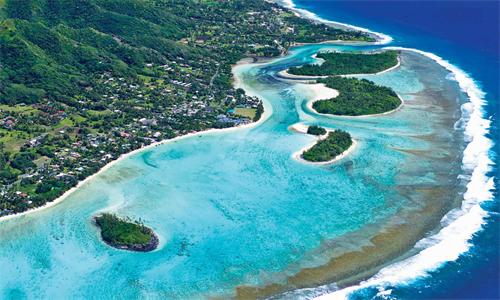
When people speak of the jewels of the South Pacific, most think first of Tahiti or Fiji. Yet, hidden deep within this vast expanse of turquoise lies another string of treasures—the Cook Islands. Scattered across the ocean like emeralds and pearls, these islands rest quietly northeast of New Zealand, pure and untouched, free from the noise of overdevelopment.
Among its fifteen islands, the one that stirs the most longing in travelers’ hearts is undoubtedly Aitutaki, home to one of the world’s most beautiful lagoons.
Cook Islands: A South Pacific Secret
The Cook Islands lie between Fiji and French Polynesia (Tahiti), made up of fifteen islands split between the northern and southern groups. The southern islands are the largest, accounting for 90% of the country’s land area. The capital, Avarua, sits on the main island of Rarotonga, which also serves as the nation’s transport hub. From Auckland, New Zealand, it takes only four and a half hours by direct flight to step from modern city life into a dreamlike Pacific world.
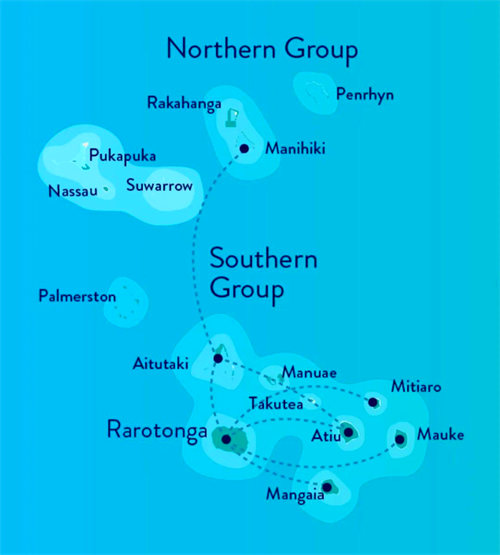
Rarotonga is a volcanic island, its center ringed with lush mountains and its coastline stretching across plains shaded by coconut palms. The island’s main road circles its entire perimeter, just 32 kilometers long. With speed limits never exceeding 50 km/h, it takes only 45 minutes to drive the whole way around. Yet in that short journey, one side reveals dense tropical forests, while the other opens to lagoons and the layered blues of the Pacific—every view like a painting.
Here, you’ll often hear locals greet you with a warm “Kia Orana.” This is more than just “hello”—it means “may you live long.” Perhaps nowhere else in the world do people welcome visitors with such a blessing.
Flying to Aitutaki: A Glimpse from the Sky
If Rarotonga is the soul of the Cook Islands, then Aitutaki is its heartbeat. A 40-minute flight from Rarotonga takes you across the Pacific, and as the plane descends, a breathtaking scene unfolds below: a giant, liquid palette of color.
The lagoon’s waters fade from deep blue to pale green, scattered with tiny motus (islets) ringed by white sand and coconut palms, like a garland floating on glassy seas. Time seems to freeze in that moment, and the dreamlike vision is unforgettable.
No wonder *Lonely Planet- founder Tony Wheeler once said: “Aitutaki is the most beautiful island in the world.”
Aitutaki Lagoon: A Sapphire Paradise
The lagoon of Aitutaki is vast, yet most of its waters are less than five meters deep, so clear that even at greater depths you can still see rippled sand, corals, and darting fish.
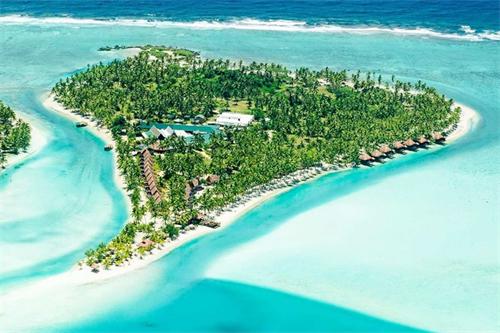
Taking a boat into the lagoon feels like floating on a giant crystal. Boats cannot dock directly at the shore—you must wade through shallow, glass-clear waters before stepping onto the sand.
The most famous islet here is One Foot Island (Tapuaetai), named because from above it resembles a giant footprint. Its pristine white sands are ranked among the top beaches in the world, and many couples choose to wed here. Though tiny—you can walk around it in 20 minutes—One Foot Island is often the highlight of every visitor’s journey.
Here you can:
- Snorkel and Swim – dance with tropical fish and explore vibrant corals.
- Send Postcards and Stamps – One Foot Island has the world’s smallest post office, where you can stamp your passport or send a postcard kissed by the sea breeze.
- Marvel at Colors of the Sea – from the shore to distant sandbars, the lagoon shifts through three shades of blue, glowing differently with each change of light.
Most lagoon cruises stop here for 2–3 hours before returning to the main island in the evening—an experience etched in memory forever.
Lagoon Cruises and Cultural Encounters
One of the most popular activities in Aitutaki is the Lagoon Cruise. Aboard a wooden boat, you’ll glide through aquamarine waters, stopping at motus along the way to snorkel. Lunch is often a barbecue feast of grilled fish, fresh fruit, and coconut juice—fuel for both body and spirit.
For more adventurous souls, the Raro Buggy Tour offers off-road thrills. Driving small buggies through jungles, beaches, and streams—sometimes splashing deliberately into mud pools—you’ll feel the wild joy of adventure.
At night, the island comes alive with Island Night celebrations. On Tuesdays and Saturdays, hotels host feasts featuring roast pig, alongside traditional Maori-inspired music and dance. Performers in coconut-shell costumes sway to the beat of drums, while visitors join the festive rhythm of the Pacific night.
Local Flavors: Fresh and Tropical
Aitutaki’s cuisine is simple yet fresh, drawn mainly from the sea and land:
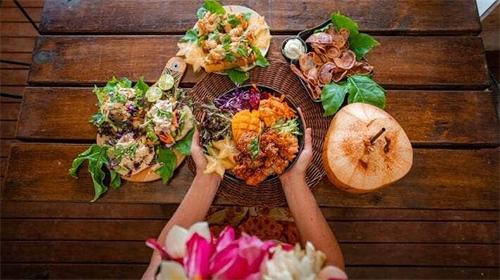
- Ika Mata – fresh fish marinated in lime and coconut cream, often served with crispy breadfruit fries.
- Mahi Mahi – a gourmet upgrade from fish and chips, with tender fish encased in golden batter.
- Fish Sandwich – famously oversized at Charlie’s on Rarotonga, loved by travelers for its flavor and sheer portion size.
Street stalls brim with tropical fruits—passionfruit, papaya, starfruit, bananas, tomatoes—cheap, sweet, and irresistible, often taken back to the hotel by the bagful.
Rarotonga: Heart of the Cook Islands
Most travelers spend several days on Rarotonga, the political and cultural center of the Cook Islands, and the starting point for exploration.
Nature and Heritage
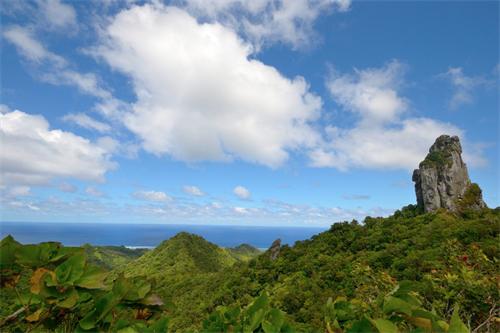
The island’s highest point is Te Rua Manga (The Needle), a 413-meter volcanic spire that once served as a sacred altar for indigenous rituals. Though missionaries suppressed many ceremonies, the stone needle endures as a witness of history. Hiking there takes about two hours through thick jungle, with the stone pinnacle offering awe at the journey’s end.
Rarotonga’s nights are just as memorable. The Highland Paradise Drums of Our Forefathers Sunset Show tells the story of island history and beliefs through music and dance, set against the glow of the setting sun, recreating the spirit of a “lost village.”
Markets and Everyday Life
To experience local life, visit the Punanga Nui Market on Saturdays. Handmade crafts, live dance performances, and authentic snacks fill the air with energy. Girls in traditional dress dance powerfully, skirts swaying with rhythms akin to hula. You can shop for coconut-shell carvings or taste grilled fish and tropical juices.
Getting around is also part of the charm—Rarotonga’s old yellow buses circle the island clockwise and counterclockwise every 20 minutes. A ticket costs only 8 NZD, and gazing out at tropical scenery from the bus window is among the most relaxing ways to sightsee.
Travel Tips Before You Go
- Entry Requirements: Passport valid for at least 6 months, with proof of accommodation and return tickets. If transiting via New Zealand, carry international vaccination records.
- Time Zone: The Cook Islands are 22 hours behind New Zealand—arriving feels like “stepping back into yesterday,” so double-check hotel bookings.
- Currency: New Zealand dollars are used, but Cook Islands coins aren’t valid in New Zealand—best to spend them before departure.
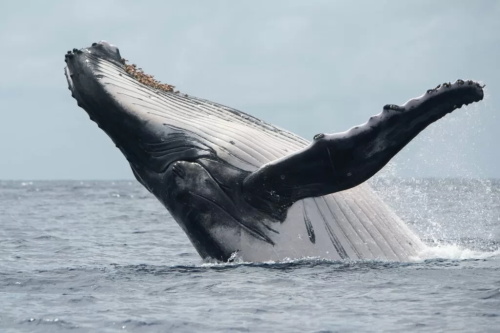
- Climate: Summer all year round; the best season is April to October with cooler, drier weather. From June to September, you may also see or even swim with whales.
- Connectivity: Vodafone SIM cards available at the airport—49 NZD for 5GB.
- Transport: Inter-island flights are main connections, while on-island travel is easiest by rental car, bus, or bike.
A Journey Beyond Time
The Cook Islands may look tiny on a map, but the experiences they hold are boundless. In the sapphire waters of Aitutaki, you lose all sense of time, remembering only the softness of the sea and the vastness of the sky. In the markets and dances of Rarotonga, you feel the heartfelt warmth of Pacific hospitality.
Perhaps the meaning of travel lies in finding peace and belonging in distant places. As “Kia Orana” wishes—may you live long. In the smiles of the Cook Islands, every traveler discovers a memory to last a lifetime.
Recommended for you: