


Swimming with Giants: Humpback Whales in Tonga’s Haʻapai Islands
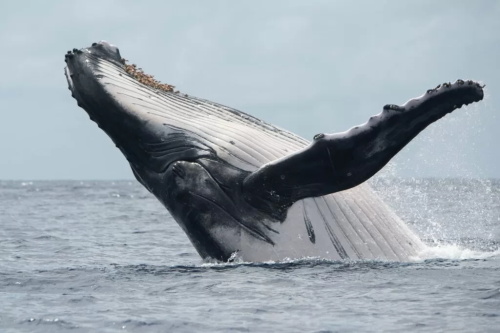
In the vast depths of the South Pacific, more than 170 islands are scattered across the ocean, forming the unique island nation of the Kingdom of Tonga. Unlike the common tropical tourist destinations, Tonga is less commercialized, yet it retains a sense of simplicity, tranquility, and mystery. It is also one of the few places in the world where visitors are allowed to swim with whales. Every year from July to October, pods of humpback whales migrate from the icy waters of Antarctica to these warm seas to breed and nurture their young. Sharing the water with these enormous yet gentle beings becomes a once-in-a-lifetime experience for many.
The Archipelago of Tonga
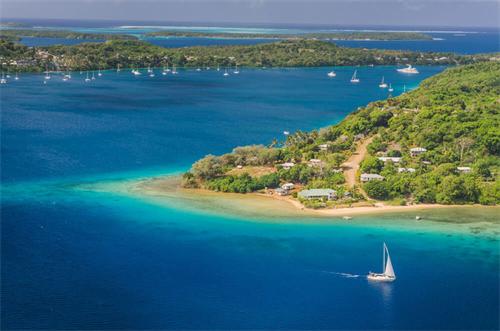
Tonga consists of five main island groups: the Tongatapu Group, ʻEua, the Haʻapai Group, the Vavaʻu Group, and the northernmost Niuas (Niuatoputapu & Niuafoʻou). The Niuas are remote and rarely visited, but for whale enthusiasts, the spotlight is firmly on Haʻapai and Vavaʻu.
Haʻapai: A Peaceful Whale Paradise
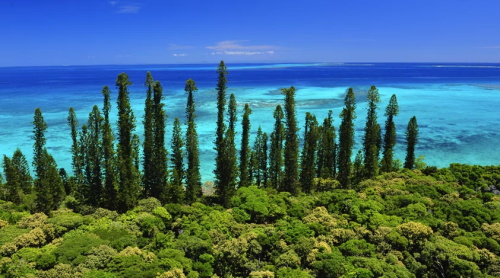
Located in central Tonga, the Haʻapai Group is made up of 62 islands, reefs, and shoals, of which only 17 are inhabited. Unlike the busy Vavaʻu or the politically and economically significant Tongatapu, Haʻapai wins travelers over with its white sandy beaches, turquoise waters, and serene atmosphere.
The administrative center of the group is Lifuka Island, where the town of Pangai serves as the port and transport hub, as well as the starting point for island-hopping. Strolling through the town, you’ll come across colonial-era buildings, lively markets, and the simple daily rhythms of island life. Joining locals in weaving baskets or carving wood adds warmth and connection to your journey.
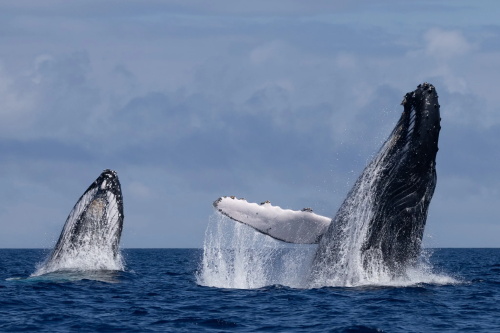
Adjacent to Lifuka is Foa Island, linked by a causeway. Foa is Haʻapai’s most popular tourist island, home to small resorts and idyllic beaches. More importantly, it lies directly on the humpback whales’ migratory route. From July to October, setting out by boat into the open ocean gives you the chance to see mother whales breaching alongside their calves, a moment that dissolves the boundary between humans and nature.
Beyond whale encounters, Haʻapai also offers remarkable underwater wonders. At Mapanga Cave, sunlight streams through a skylight onto the sandy seabed, sparkling like diamonds. Swimming through a 15-meter-long passage leads you into a domed cavern where fluorite crystals adorn the walls. Local guides often demonstrate tapping stalactites to create ethereal echoes, like the heartbeat of the Earth itself.
On land, Haʻapai offers its own adventures: hiking trails on Lifuka Island, or underground swimming in Anahulu Cave, where silence deepens the mystery of nature.
Vavaʻu: A Sailor’s Dream
In northern Tonga, the Vavaʻu Group is celebrated as one of the world’s best sailing destinations. The main town, Neiafu, sits by the water, with a harbor full of yachts from around the globe.
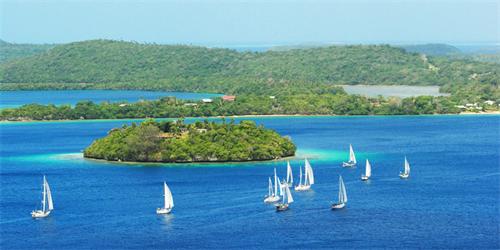
Like Haʻapai, Vavaʻu is a world-class whale-watching site. With 30-meter visibility, the crystal-clear waters host schools of jackfish and vibrant coral. Sailing through the Swallows Passage, where towering cliffs hem in the narrow channel, waves crash against rock walls with a thunderous roar. Snorkeling here, you may hear the deep, resonant songs of whales mingling with the play of light underwater—an unforgettable sensory experience.
For divers, Vavaʻu boasts renowned wreck sites, such as the Clan McWilliam, a vessel launched in 1918 that sank in Neiafu Harbor more than fifty years ago after a fire. Now covered in corals, it has transformed into a kaleidoscope of marine life. Photographers will find Swallows Cave irresistible, where schools of tiny fish dart through shafts of light, creating breathtaking scenes.
Tongatapu & ʻEua: History and Nature
If Haʻapai and Vavaʻu reveal Tonga’s marine charm, then Tongatapu and ʻEua showcase its history and natural wonders.
Tongatapu, the southernmost group, is home to the capital, Nukuʻalofa, the gateway to Tonga. Here stands the Victorian-style Royal Palace, built in 1867, still used for royal coronations. Along the coast, the Mapu a Vaea blowholes put on a spectacular show as waves crash into the reef, sending water spouts soaring dozens of meters into the air with thunderous sound.
Not far from the palace lies Haʻamonga ʻa Maui, a 1,200-year-old trilithon made from three massive coral stones, each weighing up to 40 tons. Rising five meters high, it is often called the “Stonehenge of Tonga,” a monument to the kingdom’s ancient civilization.
ʻEua, meanwhile, is Tonga’s oldest island, famous for its rugged cliffs, caves, and rainforests. ʻEua National Park preserves vast tracts of pristine forest and diverse birdlife, making it a paradise for hikers and birdwatchers. Remarkably, the flight from Nukuʻalofa to ʻEua takes only about seven minutes—one of the shortest commercial flights in the world, an adventure in itself.
Swimming with Whales: Timing and Tips
Tonga is one of only two countries worldwide that allows people to swim with whales. The whale season runs from June to October, with slight variations by island group:
- Tongatapu: mid-June to late October
- ʻEua: early June to early November
- Haʻapai: mid-July to mid-October
- Vavaʻu: mid-July to mid-October
If you wish to avoid the crowds while still enjoying peak whale activity, late July to early August is ideal. August to mid-September is the busiest season, with higher prices for flights and accommodation.
Diving into the deep blue alongside whales, you may hear their hauntingly beautiful songs reverberating through the water—sounds that feel timeless and soul-stirring. As a whale’s massive body glides past, you are struck both by your own smallness and by a profound sense of awe and reverence.
Practical Travel Tips
- Best time to visit: May to August for cool weather and outdoor activities; July to October for whale season.
- Getting there: No direct flights. Most routes connect via New Zealand or Fiji to Tonga’s Fuaʻamotu International Airport (TBU). Inter-island travel is by small planes or ferries.
- Currency: Tongan Paʻanga (TOP). Credit cards are limited—carry enough cash.
- Internet: Coverage is weak. Buy a local SIM card (e.g., Digicel).
- Etiquette: Sunday is a nationwide Sabbath; most shops close, and visitors should remain quiet and respectful. Avoid overly revealing clothing.
Conclusion
Tonga is a blue sanctuary still largely untouched by mass tourism. It offers royal palaces and ancient trilithons, rainforests, caves, and blowholes, but above all, the unforgettable experience of swimming with whales.
Whether it’s the tranquil Haʻapai, the bustling Vavaʻu, or the ancient ʻEua, each corner radiates its own unique charm.
Standing on the shores of this Pacific kingdom, with endless blue ocean before you and whale songs mingling with the crash of waves, you realize that travel is not merely about reaching distant places—it is about a deep dialogue with nature and with your own soul.
Recommended for you: