


Volcano Adventures: Climbing Krakatoa, Fagradalsfjall, and Fuego
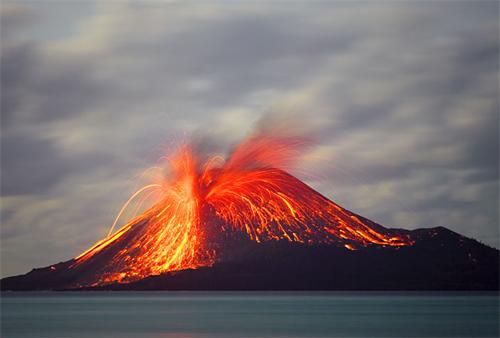
Volcanoes are among the most primal and awe-inspiring creations of nature. They serve as outlets for the intense energy deep within the Earth, expelling molten lava, volcanic ash, and gases into the sky, while simultaneously shaping unique and dramatic landscapes. Beneath the Earth's crust, at depths of roughly 100 to 150 kilometers, there exists a high-temperature, high-pressure "liquid zone," where magma is generated. When magma breaks through weak points in the crust and emerges at the surface, a volcano is born. Volcanoes are generally categorized according to their activity levels: active, dormant, and extinct. For travelers, active volcanoes hold a particular allure. They are not only a spectacular visual experience but also a profound spiritual journey, offering a rare opportunity to witness the raw power and mystery of the Earth up close.
Krakatoa / Anak Krakatau, Indonesia
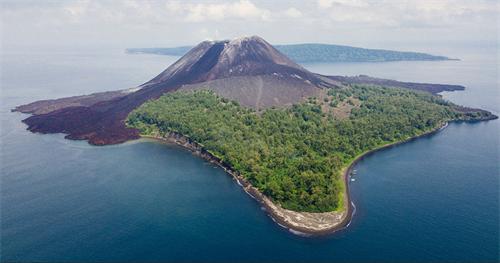
Located in the Sunda Strait between Sumatra and Java, Indonesia, Krakatoa is globally renowned for its historically devastating eruptions. The massive eruption of 1883 shocked the entire world, and in the aftermath, a new volcanic island emerged from the sea—Anak Krakatau, meaning "Child of Krakatoa." Today, this active volcanic island spans approximately 10.5 square kilometers, with a maximum elevation of 813 meters, making it a paradise for adventure seekers.
The Volcano Experience
The allure of Krakatoa lies in its diversity and unpredictability. During the summer months, when tectonic activity is at its peak, the volcano frequently erupts, offering visitors occasional glimpses of incandescent lava and cascading fireballs. Approaching the island by sea, clouds of volcanic ash and steam rise into the sky, creating a natural smoke show. The island’s black volcanic sand, a residue of past eruptions, provides an excellent backdrop for capturing the dramatic volcanic landscape in photographs.
Hiking up Anak Krakatau begins with a trek through dense tropical forests, eventually giving way to slopes covered in black volcanic sand. From the summit, panoramic views of the surrounding ocean allow visitors to fully appreciate the raw power of nature. For those with extra time, snorkeling or diving in the waters surrounding the island is highly recommended. The volcanic deposits have created a distinctive underwater terrain, teeming with tropical fish, making for an unforgettable marine adventure.
Transportation and Safety
Travelers usually reach Krakatoa Island from either Java or Sumatra:
- From Java: Jakarta → approximately 3-hour drive to Anyer or Carita Coast → 1.5–2 hour boat ride to Krakatoa
- From Sumatra: Bandar Lampung → approximately 1–1.5-hour drive to Kalianda → 1.5-hour boat ride to Krakatoa
Visitors must use licensed tour operators or guides to charter boats, as traveling independently is virtually impossible due to the volcano’s active geology and the inherent risks of the sea route. While the volcano remains active, minor eruptions generally do not pose a threat, but during periods of heightened activity, visitors are prohibited from approaching for safety reasons.
Fagradalsfjall, Iceland
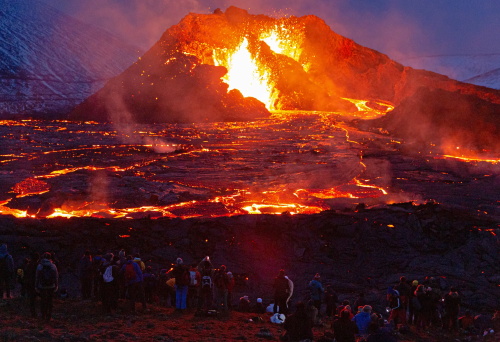
Iceland, an island nation in the North Atlantic, is famous for its glaciers, hot springs, and volcanic activity. Fagradalsfjall, a volcano near Reykjavík, has garnered significant attention in recent years for its frequent eruptions, offering travelers the unique opportunity to witness flowing lava up close.
Hiking the Volcano
Fagradalsfjall is relatively modest in size, and its lava flows move slowly, making hiking relatively safe. The recommended route is a one-way hike of about 7 kilometers, with an elevation gain of roughly 300 meters, classified as moderate in difficulty. The optimal time to hike is early morning, between 6 a.m. and 10 a.m., to avoid the harsh midday sun. Hikers are advised to wear fire-resistant hiking boots, as ground temperatures can reach up to 80°C (176°F). Along the trail, one can observe the marks left by past lava flows, and as you near the crater, the spectacle of molten rock becomes even more mesmerizing.
Night hikes offer a completely different experience. In darkness, the lava glows red, and when combined with headlamp illumination, the scene resembles molten metal shimmering against the starry sky—an unforgettable moment for photographers. Trained personnel patrol the area and monitor volcanic gas levels (SO₂). Should concentrations exceed safety thresholds, all visitors must evacuate immediately.
Visiting the Blue Lagoon
Fagradalsfjall is only about a 20-minute drive from the famous Blue Lagoon. Visitors can plan a combined trip to experience both volcanic adventure and relaxation. The Blue Lagoon offers a variety of ticket options, some including shuttle services. After a challenging hike on the volcano, soaking in the warm, mineral-rich waters of the lagoon provides an unparalleled way to rejuvenate the body and mind.
Transportation Options
- Self-drive: Reykjavík → approximately 45–50 minutes’ drive to the parking area near Grindavík → 1–2 hour hike to the eruption site. Parking fees are around 1,000–1,500 ISK (about 7–10 EUR).
- Guided tours: Reykjavík hosts several volcano hiking and sightseeing tours, which include transportation and guides. Prices range from 80–150 EUR per person for a 4–6 hour trip.
Due to the unpredictable nature of volcanic eruptions, it is essential to check the Icelandic Meteorological Office (IMO) for updates on volcanic activity before planning a visit.
Volcán de Fuego, Guatemala
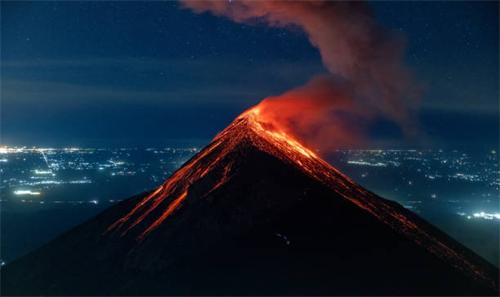
Volcán de Fuego, located approximately 16 kilometers southwest of Antigua, Guatemala, is one of the most active volcanoes in Central America. Standing at 3,763 meters above sea level, it erupts almost continuously, emitting smoke, ash, and occasional lava every 15–20 minutes, providing a truly awe-inspiring spectacle. Its neighboring peak, Volcán Acatenango, is usually the main summit that hikers target, with most visitors opting for a two-day, one-night trek to witness Fuego’s eruptions.
Climbing Experience
The hike begins at the base, around 2,400 meters in elevation, and ascends to Fuego’s 3,763-meter summit. Hikers face thin air, rocky paths, muddy trails, and ash-covered slopes, with the journey typically taking 6–7 hours. Upon reaching the campsite, visitors can pitch tents or camp, and nighttime offers a front-row view of Fuego’s ongoing eruptions—a truly dramatic experience.
The following morning, climbers may summit Acatenango (3,976 meters) to overlook Fuego and catch a breathtaking sunrise. Some tours provide the “Fuego Ridge Hike,” a three-hour trek from the Acatenango campsite to the volcano’s edge, offering an even closer encounter with the active volcano. Hikers are advised to bring windproof clothing, warm layers, and durable, non-slip hiking boots. Many tour operators also offer equipment rental services, reducing the burden of carrying heavy gear.
Transportation and Accommodation
- Transportation: Guatemala City → approximately 1–1.5-hour drive to Antigua → 1-hour drive to the trailhead.
- Accommodation: Antigua offers a wide range of lodging options, from budget-friendly Posada del Angel to luxurious Casa Santo Domingo.
- Dining: Sample local flavors at Café Condesa, enjoy traditional grilled dishes with live music at Restaurante Las Antorchas, and admire Baroque architecture at La Merced Church.
Fuego Volcano captivates with its high level of activity and the rare opportunity to observe eruptions at close range. It is a journey that blends adventure with the raw spectacle of nature.
Insights and Tips for Volcano Exploration
Climbing an active volcano is not only a physical challenge but also a profound spiritual experience. Standing at the base of a volcano, feeling the heat of molten rock and inhaling the scent of volcanic ash, one gains a renewed appreciation for both the power and fragility of our planet. Here are some practical tips:
1. Prioritize Safety: Always follow the instructions of local guides and patrol personnel, wear necessary protective equipment, and monitor volcanic activity alerts.
2. Prepare Physically: Volcano hikes often involve steep slopes, rocky terrain, and high-altitude oxygen deprivation. Adequate physical conditioning beforehand is recommended.
3. Photography Essentials: Bring protective eyewear, heat-resistant gloves, and dustproof camera covers. A tripod is essential for night photography of lava flows and starry skies.
4. Gear Recommendations: Wear fire-resistant shoes, windproof and waterproof outer layers, and carry sufficient water and high-energy snacks. Some tours provide rental equipment to lighten your load.
5. Trip Planning: Because volcanic eruptions are unpredictable, monitor meteorological and volcanic activity updates and plan your itinerary accordingly.
Volcano exploration offers a rare chance to connect intimately with the Earth’s primal forces, testing both mental resilience and physical stamina. Indonesia’s Krakatoa, Iceland’s Fagradalsfjall, and Guatemala’s Fuego each showcase a unique volcanic character: the enigmatic charm of an island volcano, the spectacular slow-flowing eruptions of a Nordic volcano, and the continuous high-energy activity of a Central American giant. Regardless of which volcano you choose, this journey promises an unforgettable combination of visual awe, spiritual impact, and profound immersion in nature.
Recommended for you: