


Photographing Red-Crowned Cranes in Kushiro Wetlands, Hokkaido: The Complete Guide
Japan is often celebrated for the majesty of Mount Fuji, the vast expanse of Lake Biwa, or the primeval wilderness of Yakushima. Yet in the southeastern corner of Hokkaido lies a landscape that tells a different story altogether—the Kushiro Wetlands. Unlike mountains that tower above you or seas that stretch to infinity, the wetlands do not overwhelm with grandeur. Instead, they touch the heart with quiet subtlety, drawing you in with an understated depth that leaves a lasting impression.
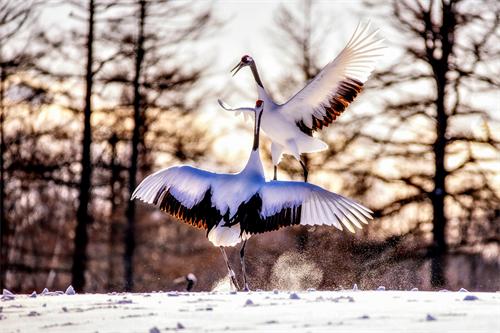
For photographers, the wetlands’ greatest allure is undoubtedly the red-crowned crane, known in Japanese as tancho. These tall, elegant birds with a splash of crimson on their heads embody grace and nobility. Their courtship dances, the resonant calls that echo across the dawn, and the sight of them spreading their wings across snow-covered fields compose one of the most poetic scenes of a Hokkaido winter.
The Unique Allure of Kushiro Wetlands
The Kushiro Wetlands cover approximately 268 square kilometers, making it the largest wetland national park in Japan. The terrain is mostly flat, crisscrossed by winding waterways. Reeds, mosses, sedges, and aquatic plants form a characteristic lowland wetland ecosystem, providing shelter for countless species of wildlife.
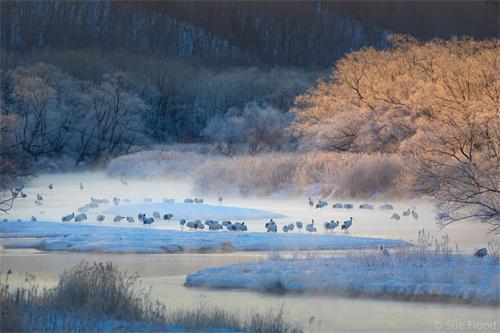
Unlike the power of Mount Fuji or the exuberance of spring cherry blossoms, the wetlands are defined by a “layered stillness.” Each season paints the landscape in distinct tones:
- Spring brings the sound of melting snow and streams rushing through the thawed land, as fresh green carpets the earth once again.
- Summer is alive with dense grasses, insect hums, and the chorus of birds, filling the wetlands with vibrant energy.
- Autumn transforms the reeds and forests into a canvas of gold and crimson, like a living oil painting.
- Winter cloaks everything in deep silence under heavy snow, where the cranes’ white feathers and crimson crowns become the most striking figures in the frozen expanse.
Conservation is taken very seriously here. Boardwalks, observation decks, and eco-research centers are carefully positioned, allowing visitors to explore without damaging fragile ecosystems. Among the most popular spots are Hosooka Observatory, offering sweeping views of the serpentine Kushiro River with Mount Oakan and Mount Meakan on the horizon, and the Kushiro City Marsh Observatory, where a 2.5-kilometer walking trail immerses visitors in the wetlands’ shifting scenery.
The Legend of the Red-Crowned Crane
In Japanese culture, the red-crowned crane is a symbol of good fortune and longevity. Its elegant figure appears in wedding decorations, New Year’s cards, and traditional paintings, embodying purity, fidelity, and grace.
Yet the survival of this species is itself a miracle. A century ago, cranes nearly disappeared from Japan due to habitat loss and harsh winters. Migratory populations that once traveled to Siberia dwindled until only a handful remained. It was only through the compassion of local people—who began feeding the starving birds during winter—that the cranes endured. Over time, these birds abandoned long migrations and became resident in Hokkaido, creating a rare population of non-migratory red-crowned cranes.
Today, the Kushiro Wetlands serve as their year-round home.
- From September to November, the reeds turn golden, cranes gather in groups, and eagles—both white-tailed and Steller’s sea eagles—return to the wetlands.
- In winter, the spectacle reaches its peak: snow-covered landscapes, morning mist, and hundreds of cranes converging at feeding grounds offer photographers unmatched opportunities.
Recommended Photography Spots
1. Ito Tancho Crane Sanctuary
Located in Tsurui Village, this is one of the main feeding grounds for cranes. Each day, caretakers provide food at set times, drawing large flocks. The environment here is wide and uncluttered, with forested hills and open skies forming clean backgrounds for photos. The most dramatic moments occur when cranes take off in unison, wings outstretched, as shutters click in chorus.
Admission is free, though silence and respect are essential to avoid disturbing the birds. Winter is the most exciting season, when hundreds of cranes descend on the sanctuary, filling the air with movement and sound.
2. Otowa Bridge
Perhaps the most iconic location for crane photography in Kushiro. Beneath this bridge, the Setsuri River flows unfrozen even in the harshest winter months thanks to geothermal warmth. This unique environment attracts cranes to roost overnight.
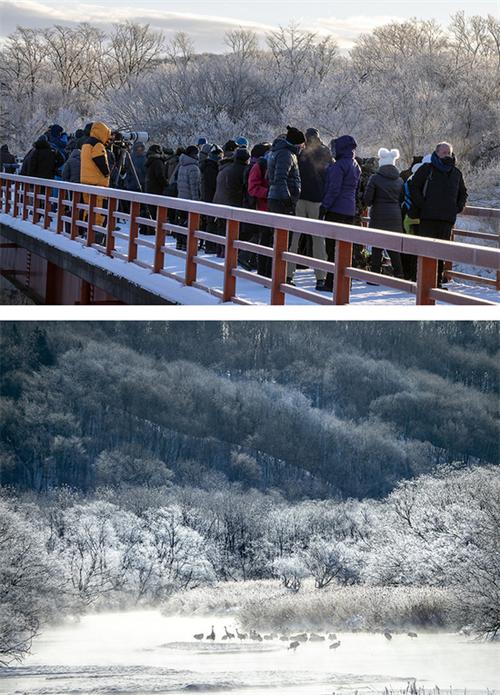
The best time is early morning from December to March, just before sunrise. Mist rises from the river, mingling with the silhouettes of cranes to create ethereal, ink-painting-like scenes. But timing is critical—after sunrise, cranes often depart for feeding grounds such as Tsurumidai, leaving the riverbank quieter. For that dreamlike shot, arrive in the dark and secure a spot on the bridge before dawn.
3. Tsurumidai
This site provides the closest encounters with cranes. A designated feeding ground enclosed by fencing, it becomes the stage for dramatic gatherings during winter. Feeding occurs twice daily—once in the morning and again around 2:30 p.m.—when hundreds of cranes arrive. Their dances across the snowy fields, wings flashing against the white backdrop, are unforgettable.
Access is straightforward: from JR Kushiro Station, take the Akan Bus “Tsurui Line / Hororo Line” for about 60 minutes and get off at the Tsurumidai stop, followed by a short walk.
Seasonal Behavior of Red-Crowned Cranes
- Spring (Late March – May)
As snow melts, cranes enter breeding season. This is the best time to witness their duet calls and elaborate courtship dances. Pairs share incubation duties, and chicks hatch after about 30 days, soon able to walk alongside their parents.
- Summer (June – August)
Families retreat deep into the wetlands to raise their young. Cranes are harder to spot, and patience is needed to photograph them.
- Autumn (September – November)
Cranes begin to gather in larger groups, while the wetlands glow with autumn colors. This is the season for wide-angle shots combining flocks with golden reeds and scarlet trees.
- Winter (December – March)
The golden season for photographers. Hundreds of cranes converge at feeding grounds or along warm riverbanks, while snow and mist create surreal backdrops. Iconic images of Hokkaido’s wildlife are most often captured in these months.
Additional Experiences Around Kushiro Wetlands
While photographing cranes is the highlight, the surrounding region offers several unique activities:
- Heritage Train Journeys
In winter, the nostalgic “SL Fuyu-no-Shitsugen-go” steam train runs from Kushiro Station through the snowy wetlands, offering passengers panoramic views of frozen fields and wildlife. From late April to early October, the slower-paced “Kushiro Shitsugen Norokko Train” operates, providing a relaxed ride through green summer marshes.
- Local Cuisine
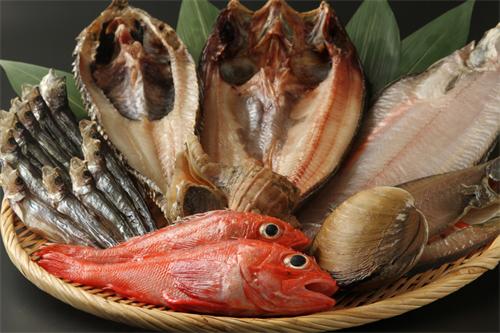
At Kushiro Fisherman’s Wharf or Washo Market, indulge in the freshest seafood from eastern Hokkaido—especially sea urchin, crab, and sushi. For a hands-on experience, try the famous katte-don, a rice bowl topped with your choice of seafood selected directly from market stalls.
- Hot Springs Retreats
After hours in the cold photographing, unwind at onsen such as Lake Akan Onsen, Kawayu Onsen, or Kotan Onsen. The latter even offers outdoor baths with lake views, where steam rises from the water as snow falls around you.
Transportation Guide
- From Tokyo
Flights from Haneda Airport to Kushiro Airport take about 95 minutes. From the airport, an Akan Bus connects to Kushiro Station in around 65 minutes, followed by a 20-minute train ride on the Senmo Main Line to Kushiro Shitsugen Station.
- From Sapporo
The JR Limited Express “Ozora No. 3” runs from Sapporo Station to Kushiro in about 4 hours 30 minutes. From there, transfer to the Senmo Main Line for 20 minutes to reach the wetlands.
Within the park itself, self-driving or hiring a private car is the most efficient way to reach sites like Otowa Bridge or the Ito Sanctuary.
Travel Tips for Photographers
1. Camera Gear
Bring a telephoto lens of at least 300mm to capture detailed shots. A sturdy tripod is invaluable for stability, especially in dim dawn light. Be mindful of batteries, which drain quickly in sub-zero temperatures; carry spares inside warm pockets.
2. Clothing and Equipment
Winter temperatures often drop below –10°C. Insulated down jackets, waterproof snow boots, thermal gloves, and layered clothing are essential. Shooting at Otowa Bridge before sunrise requires extra preparation for bitter cold.
3. Etiquette and Environmental Care
Maintain silence around cranes, do not approach or feed them, and respect barriers. Stick to boardwalks and designated paths to avoid damaging fragile wetlands.
Conclusion
The Kushiro Wetlands are not a destination that dazzles with spectacle at first glance. Their magic lies in a quiet beauty that seeps into your senses over time. Each season offers a different rhythm: the renewal of spring, the vitality of summer, the richness of autumn, and the solemn purity of winter. Through it all, the presence of the red-crowned crane lends the wetlands a timeless spirit.
When you stand on Otowa Bridge and witness cranes rising through the mist at dawn, you realize the journey was more than worthwhile. This is not just a paradise for photographers, but a living example of how humans and nature can coexist in delicate balance.
To visit Kushiro is to capture more than images—it is to embrace a rare moment of pure connection between people and the natural world.
Recommended for you: