


Upolu, Samoa: Waterfalls, Lava Caves, and Polynesian Culture
Nestled in the South Pacific’s Polynesian archipelago is a nation embraced by turquoise seas and swaying palms—Samoa. Samoa is divided into two parts: Western Samoa and Eastern Samoa. Eastern Samoa, also called American Samoa, is a U.S. territory, and traveling there requires a U.S. visa. Western Samoa, in contrast, is an independent country with a population of about 200,000. It includes the majority of the islands in the archipelago, such as Upolu and Savaii, as well as eight smaller islands. American Samoa is smaller in size, with a population of roughly 50,000. Its economy heavily depends on U.S. aid, infrastructure is well-developed, and there is virtually no industry.
The capital of Western Samoa, Apia, is located on the northern coast of Upolu. It is the country’s only city and the main gateway for visitors. At the end of 2011, Western Samoa shifted its time zone from UTC−12 to UTC+13, becoming one of the first countries in the world to greet the sunrise, while American Samoa retained UTC−11. Despite their close geographic proximity, there is a full 24-hour time difference between the two territories, creating a unique temporal experience.
Upolu: Tropical Paradise and Cultural Heart
Although smaller in size compared to Savaii, Upolu is densely populated and economically vibrant, making it the core destination for visitors exploring Samoa. The international airport is located in Apia, providing convenient access to major attractions.
The island’s traditional homes are uniquely designed: they lack fully enclosed walls, featuring only basic support structures for the roof. This design is both economical and suited to the tropical climate—it shields inhabitants from sudden rains without the need for insulation against cold. Samoan life is open and transparent; from outside the house, visitors can easily glimpse daily life, offering an authentic sense of local culture.
Natural Wonders: Waterfalls and Blue Holes
Upolu is rich in natural attractions, each corner exuding tropical charm.
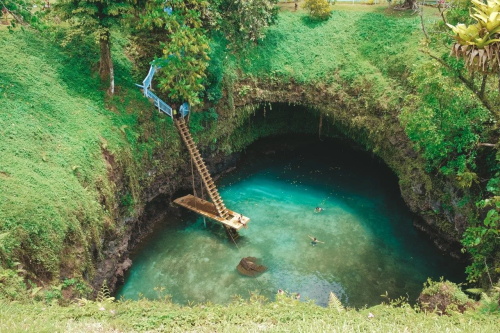
- Su’a Trench (Volcanic Lake): One of the island’s most stunning natural wonders. Formed by volcanic activity that caused the ground to collapse, it created a massive natural sinkhole subsequently filled with seawater, forming a blue hole up to 30 meters deep. Visitors can descend jungle wooden stairs to the water’s edge and feel the cool water, immersing themselves in the primal and mysterious ambiance of nature.
- Papapapaitai (Tiavi) Waterfall: Located along the cross-island highway, it plunges about 100 meters from an ancient volcanic crater. It is visible from the roadside but cannot be approached closely. Open all day with free admission, it’s ideal for a quick stop along the drive.
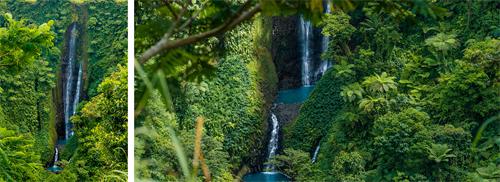
- Sopoaga Waterfall: Situated on the southern coast in Lotofaga village, it combines natural beauty with cultural elements. Along the route, signs label local plants, and visitors can learn about the traditional cooking method called *umu*. The area has picnic tables and restrooms; an entrance fee applies, making it family-friendly.
- Fuipisia Waterfall: Also near Lotofaga village on the eastern end of the island, this 55-meter waterfall is perfect for birdwatching and swimming. Visitors can enjoy the natural pool atop the falls, surrounded by lush tropical jungle. Safety precautions are advised, and an entrance fee is required.
Beaches and Caves: Where Sea Breezes Meet Mystery
- Lalomanu Beach: Located on the southeastern tip of Upolu, it is one of the island’s most famous beaches. Towering palms, fine white sand, and sapphire-blue waters create a stunning panorama. Walking barefoot on the soft sand with the sea breeze carrying the scent of coconuts offers ultimate relaxation.
- Piula Cave Pools: Hidden in the southeast, these cave pools feature natural spring water. Locals use it as a cool retreat, and visitors can explore the fascinating combination of caves and crystal-clear pools, experiencing the serenity and mystery of nature.
Savaii: Pristine Rainforest and Lava Remnants
Compared to Upolu, Savaii is larger but has only a quarter of the population. Its untouched tropical rainforests make it ideal for adventure seekers.
- Northern Rainforest Reserve: Hidden treehouse observation platforms atop banyan trees can be reached via suspension bridges, involving a 40-meter hike, offering panoramic views of a dreamlike forest world.
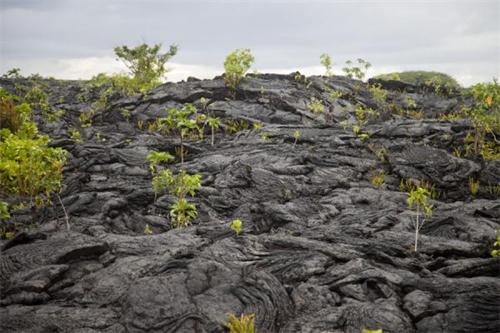
- Saleaula Lava Fields: On the eastern side, these fields preserve the legacy of the 1905 eruption of Mount Matavanu, which buried five villages. Visitors can still see partially buried churches, tombs, and lava mounds, a silent witness to history. The lava fields are near the coast and require a ten-minute jungle hike to reach. Coastal views are limited from the shore, but aerial photography can capture the full scope.
Polynesian Culture: Tattoos, Crafts, and Breadfruit
Samoa is not only a haven of natural wonders but also a cultural hub of Polynesia. Polynesia, meaning “many islands,” spans over 1,000 islands in the central and southern Pacific. Centuries ago, Polynesians navigated vast oceans to settle these islands, creating a unique cultural system.
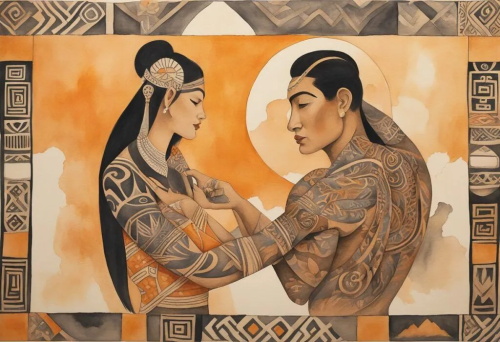
- Tatau (Traditional Tattoos): In Samoa, tattoos are more than decoration—they are a cultural heritage. Men often receive tattoos symbolizing strength, courage, and faith, while women’s tattoos represent elegance and family status. The process is intricate and sacred, a key symbol of Polynesian culture. Visitors can experience Tatau culture, though costs are high and infection risks exist.
- Breadfruit Trees: Scattered across the islands, breadfruit trees are a vital resource. The fruit, when peeled, is milky white; roasted, it turns golden yellow with a rich, creamy flavor. The wood can be used for construction and boat-making, while bark is used for ropes and other items, reflecting Samoans’ ingenuity and sustainable living.
Transportation and Travel Tips
Most international flights arrive at Faleolo Airport on Upolu. The island has a road network centered on Apia. Ferries connect Upolu and Savaii from Mulifanua Wharf, while trips to Namua Island depart from Mutiatele Wharf.
Local buses are colorful, with wooden benches inside and play popular local music. Schedules are irregular, so flexibility is key. Due to crowding, a “lap-sitting” culture has developed.
Samoa has a tropical rainforest climate, and the best travel season is from May to October—the dry season and the peak festival period. The weather is pleasant, ideal for sightseeing, adventure, and cultural experiences.
Suggested Itinerary
Start on Upolu: spend time in Apia to explore local customs and architecture, then drive along the cross-island highway to Tiavi Waterfall. Continue south to Sopoaga and Fuipisia waterfalls, experiencing a combination of jungle, waterfalls, and lakes. Then head to Lalomanu Beach and Piula Cave Pools for sun, sand, and cool cave waters.
Next, take a ferry or small plane to Savaii to explore the pristine rainforest, climb the banyan tree observation platforms, or hike to the Saleaula Lava Fields to witness the intersection of volcanic activity and history. Visit breadfruit plantations, roast breadfruit, and gain insight into Samoan life. For those interested, a Tatau tattoo experience provides a deep dive into Polynesian culture.
Throughout the journey, travelers will encounter tropical rainforests, waterfalls, blue holes, and beaches, while immersing themselves in the rich Polynesian culture. Every scenic spot, beach, and breadfruit on Samoa’s islands embodies the local people’s love for nature and life, offering visitors an unforgettable sensory and spiritual experience.
Recommended for you: