


Rize, Turkey: Hidden Tea Gardens, Waterfalls, and Mountain Villages
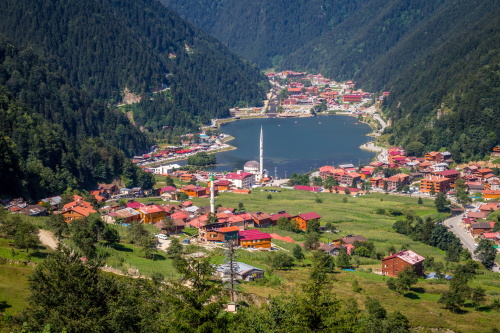
If western and central Turkey are renowned for their ancient ruins and traces of great civilizations, then the northeastern Black Sea region tells a completely different story. Here, mountains rise one after another, valleys are wrapped in mist throughout the year, and torrents of water rush endlessly down the slopes, as if nature itself were painting a vivid green canvas. Nestled along the southern coast of the Black Sea lies Rize Province—a destination that can rightly be called the most enchanting stroke on this canvas. Tea gardens, waterfalls, highland pastures, and medieval castles intertwine to create a landscape of both serenity and grandeur. For anyone who steps into this green paradise at Turkey’s northeastern corner, leaving is never easy.
On this journey, I decided to begin from the coastline and slowly move deeper into the valleys and highlands. The route combined sightseeing with immersive experiences, allowing me to discover not only the beauty of the land but also the daily rhythms of the people who live here.
First Impressions of Rize: A Green Pearl of the Black Sea
Rize lies in northeastern Turkey, close to the border with Georgia. The region receives high levels of rainfall, which explains why its vegetation remains lush all year long. Even in the height of summer, when much of Turkey swelters under the sun, Rize stays refreshingly cool.
The villages scattered among the valleys are known as yayla, or highland pastures. For centuries, they have served as summer retreats for locals, providing respite from the lowland heat. Today, these yaylas also attract visitors eager to experience the distinctive culture of the Black Sea region.
Getting to Rize is surprisingly convenient. The Rize-Artvin Airport, located about 35 kilometers from the city center, has direct flights from Istanbul and other major cities. From the airport, you can take a HAVAŞ shuttle bus into town or hop in a taxi for a 30-minute ride.
Land of Tea: Experiencing “Turkish Red Tea” Among the Hills
Rize is inseparable from tea. Nowhere else in Turkey will you find such sweeping panoramas of tea gardens covering the slopes like endless green terraces. The province is the very heart of Turkey’s tea industry, supplying the nation with the beloved “çay” that is an essential part of daily life.
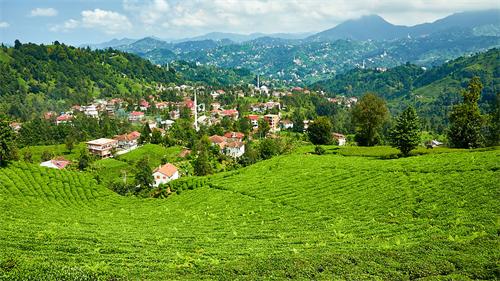
The most famous tea-growing areas are around Çayeli and Hemşin. If you visit in May, you can witness tea farmers bending over to pluck the fresh leaves, while the air fills with the subtle fragrance of green shoots. A must-visit in town is the Çaykur Tea Factory, the largest tea processing facility in the province and a living museum of Turkish tea culture. Here, you can learn how freshly harvested leaves are withered, fermented, and roasted before becoming the familiar deep-red tea served across Turkey.
Turkish tea is served in delicate, tulip-shaped glasses known as ince belli. Locals sip it slowly, often sweetening it with sugar cubes. More than a drink, tea is a ritual of hospitality and an inseparable part of social life.
Tip: Most tea gardens are open to visitors free of charge. Some factories offer guided tours and tasting sessions.
The Fırtına River: Poetry in the Rapids
About an hour and a half’s drive from Rize city lies the Fırtına Deresi, or Storm River. Originating from the Kaçkar Mountains, this 57-kilometer-long torrent rushes down the valleys before joining the Black Sea. Its foamy, roaring waters make it the most famous rafting site in Turkey’s Black Sea region.
The riverbanks are dotted with waterfalls, rustic wooden inns, and historic stone bridges. Among them, the Şenyuva Bridge is the most iconic.
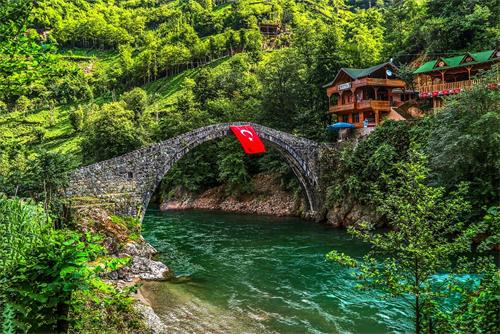
Şenyuva Bridge: An 18th-Century Arch of Stone
Located about 8 kilometers outside Çamlıhemşin, the Şenyuva Bridge gracefully spans the Fırtına River. Built in the 18th century during the Ottoman period, this stone arch bridge stretches 40 meters across and rises nearly 20 meters above the rushing waters below. With its elegant curve, it resembles a rainbow in stone.
Standing on the bridge, you can gaze down at the white torrents and up toward distant mountain ridges, imagining the days when traders and travelers carried goods across this very route centuries ago.
Zilkale Fortress: Guardian of the Valley
Deeper into the valley rises the dramatic silhouette of Zilkale, a medieval fortress perched atop a steep cliff. Constructed between the 14th and 15th centuries, the castle once protected key trade routes through the Kaçkar Mountains. Its thick stone walls and towers remain impressively well-preserved, standing in harmony with the surrounding forests and waterfalls.
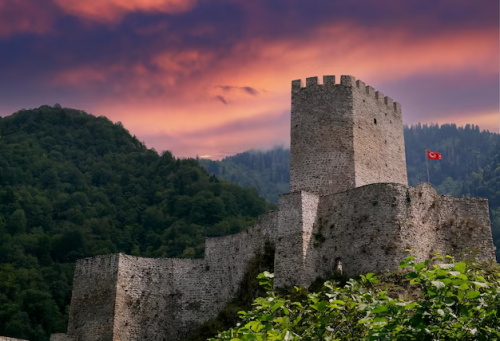
Climbing to the upper level rewards you with sweeping views over the Fırtına Valley, where the river winds like a silver thread far below. From here, you truly sense the fortress’s role as a watchful guardian of the mountains.
Practical Info: Entrance fee is around 20 lira. In summer, opening hours are typically 09:00–19:00; in winter, they shorten to about 09:00–17:00.
Highlands of Wonder: Pokut and Ayder
Leaving the valleys behind, I headed toward Rize’s most celebrated highlands—Pokut Yaylası and Ayder Yaylası.
Pokut Yaylası
Located 21 kilometers from Çamlıhemşin, Pokut lies at an altitude of 2,100 meters. Reaching it requires a rugged jeep ride up mountain tracks, but the journey is worth every bump.
The plateau is home to around 50 wooden houses, the oldest of which date back more than 250 years. At dawn, as the morning mist lifts and sunlight filters through the clouds, the sight of rustic cabins floating above a sea of clouds feels otherworldly. It is no wonder that Pokut has become a favorite spot for photographers and trekkers.
If time allows, you can camp overnight or stay in one of the simple guesthouses. Nearby Palovit Waterfall, with its powerful cascade, makes for a worthwhile side trip.
Tip: Entry to the highland is free. Accommodation is limited, so advance booking is recommended.
Ayder Yaylası
By contrast, Ayder is lively and well-developed. Situated 70 kilometers from Rize city at a slightly lower altitude, it has long been a popular holiday retreat. Here you’ll find cozy mountain lodges, hot springs, and family-friendly restaurants.
The highlight of Ayder is the Gelintülü Waterfall, whose silvery streams tumble down the cliffs like a bride’s veil. Romance and legend infuse the atmosphere. For relaxation, soaking in the thermal baths is the perfect way to end a day of hiking or sightseeing.
Tip: The highland itself is free to enter, but hot springs and restaurants charge separately.
Anzer Yaylası: Homeland of Legendary Honey
Closer to İkizdere lies Anzer Yaylası, a plateau famous for its rare honey. In summer, the meadows bloom with more than 500 varieties of wildflowers. Bees feeding on this rich flora produce the legendary Anzer honey, prized not only for its flavor but also for its reputed medicinal qualities. Many visitors come here with one goal—to buy a jar of this golden treasure.
Kaçkar National Park: A Paradise for Mountaineers
The final stop on my journey was Kaçkar National Park, a vast protected area of 51,500 hectares stretching across Rize and Artvin provinces. The park encompasses nine villages and 33 yaylas, offering a unique combination of culture and wilderness.
Its main peak rises to 3,937 meters, the fourth highest in Turkey. Around its slopes lie glacial lakes, alpine meadows, and dense forests. Whether you are a casual hiker, a serious mountaineer, or an ultra-trail runner competing in UTMB-level races, Kaçkar has a path for you.
Practical Info: Entrance fee is about 30 lira. The best hiking season is summer, while in winter many routes are closed due to heavy snow.
A Taste of Rize: Culinary Memories
No journey is complete without savoring the local flavors, and Rize’s cuisine is a feast of Black Sea traditions:
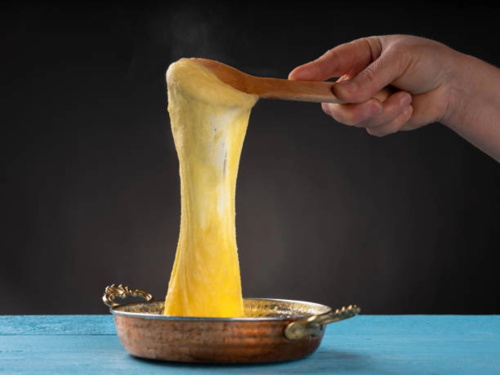
- Muhlama – A rich, stretchy dish made from butter, cornmeal, and Trabzon cheese. A dream come true for cheese lovers.
- Anzer Balı – The world-famous Anzer honey, thick, fragrant, and full of depth.
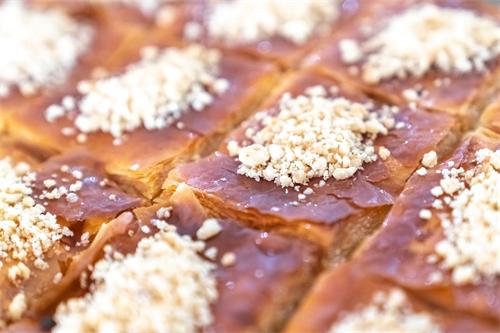
- Laz Böreği – A signature dessert of the Laz people, made from layers of pastry filled with creamy custard and topped with syrup. Sweet, yet not overwhelming.
- Karalahana Çorbası – A nourishing soup made from collard greens, warming and hearty for the mountain chill.
Best Time to Visit and Festivals
Rize is beautiful year-round, each season offering a distinct charm:
- Spring: Tea gardens glow fresh green, wildflowers bloom across the valleys.
- Summer: The highlands provide a natural escape from the heat; the cool mountain breeze is refreshing.
- Autumn: Forests turn crimson and gold; visitors can also enjoy the Rize Art Festival, with traditional dances and folk music.
- Winter: Snow blankets the highlands, creating an atmosphere of stillness perfect for solitude seekers.
A World Embraced by Green
This journey through Rize allowed me to feel the unique charm of Turkey’s Black Sea region. Unlike the grand palaces or bustling bazaars of other parts of the country, here you find something quieter yet equally captivating—tea-scented valleys, roaring rivers, centuries-old stone bridges, and highlands where clouds kiss the earth.
Rize is a land where nature and tradition live in harmony, a place to slow down, breathe deeply, and let the endless green embrace you.
Recommended for you: