


Russia’s Winter Wonders: A Complete Guide to Lake Baikal, Kamchatka, and the Northern Lights
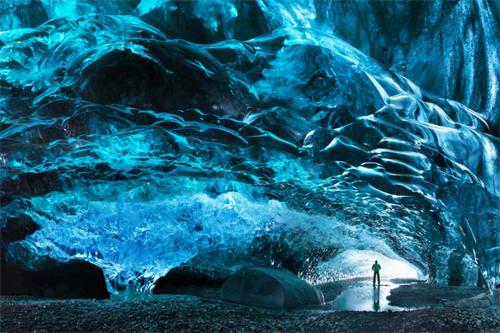
In winter, while most people choose to stay in the warmth of their homes, Russia reveals breathtaking wonders of ice and snow in its own unique way. Stretching across both Europe and Asia, this vast land is defined by diverse landscapes: the East European Plain, the boundless West Siberian Plain, the Central Siberian Plateau, and the mountainous Far East. Forests and glaciers, volcanoes and frozen lakes, and the dancing Northern Lights over the Arctic Circle weave together Russia’s unparalleled winter panorama.
Russia’s Winter Charm and Food Culture
When thinking of Russia in winter, images of snowy plains, icy winds, and vodka often come to mind. The high-latitude climate creates long, harsh winters, but it has also shaped a distinctive lifestyle and food culture.

At the Russian table, rye and buckwheat bread are staple foods. Families often serve homemade rye bread to guests as a sign of hospitality. Buckwheat porridge is another favorite, enriched with meat, eggs, or mushrooms—hearty, warming, and nutritious. Fish also plays a vital role in Russian cuisine, especially salmon, prepared in many different ways. And of course, vodka remains the secret weapon against the cold, as well as a key part of Russian social life.
It is this way of living in harmony—and at times, in battle—with nature that gives Russia’s winters their unique character.
First Stop: Lake Baikal — “The Blue Eye of Siberia”
If one place embodies the beauty of Russia’s winter, it must be Lake Baikal. The world’s oldest and deepest lake, it is famous for its crystal-clear waters and mysterious aura. From February to March, the frozen surface transforms into an icy wonderland: blue ice, bubble ice, cracks, and frozen caves form dazzling natural artworks.
How to Get There
Lake Baikal lies between the Republic of Buryatia and Irkutsk Oblast. Most travelers use Irkutsk or Ulan-Ude as gateways, with Irkutsk being the more common choice. From Irkutsk, it takes about 6–7 hours by car to reach Olkhon Island, the lake’s largest island.
Olkhon Island and Khuzhir Village
Olkhon Island, often called the “mystical island,” is the soul of Lake Baikal. Its main residents are the Buryat people, numbering only around 1,300, giving the island a simple and authentic atmosphere. The largest settlement, Khuzhir Village, is the hub for visitors. Accommodation here is mostly guesthouses, with the famous Nikita Homestead often fully booked months in advance. Note that there are no ATMs, and most places only accept cash, so be sure to bring enough.
Northern Route: A Feast of Blue Ice and Icicles
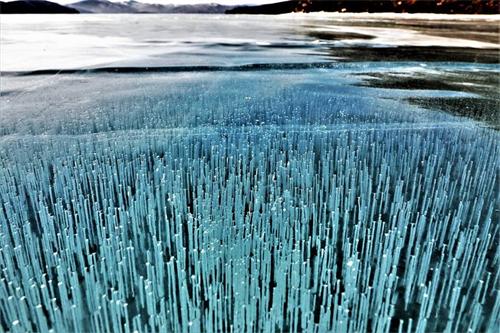
The northern route goes deep into the lake, offering the best views of blue ice and grand icicles. The blue ice looks like giant sapphires embedded into the lake’s surface, while icicles resemble frozen waves. The road is rough, requiring off-road vehicles to cross snow and forest trails, making the ride quite bumpy.
A unique highlight: lunch cooked directly on the ice. A fire is lit, and a hot stew of potatoes, canned meat, and noodles is served—a memorable meal in the freezing wind.
Southern Route: Bubble Ice and Frozen Caves
The southern route is closer to shore, where shallower waters create mesmerizing methane bubble ice beneath the surface. There are also viewpoints perfect for photography.
Lunch here often features freshly made fish soup with salmon, steaming hot and delicious against the icy backdrop.
Other Experiences
On the western shore, in the village of Listvyanka, visitors can enjoy skiing, horseback riding, snowmobiling, ice diving, and dog sledding. No matter the route, Lake Baikal’s winter experiences will shine brightly in your travel memories.
Second Stop: Kamchatka Peninsula — Wilderness of Fire and Ice
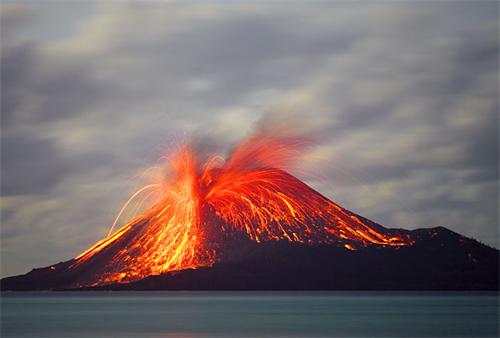
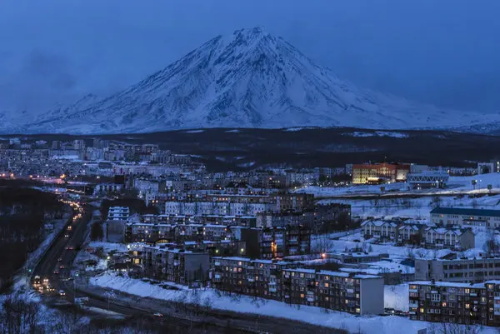
If Lake Baikal embodies serenity, Kamchatka combines grandeur with raw wilderness. In Russian, “Kamchatka” means “a land far away.” With nearly 300 volcanoes, 29 of which are active, the peninsula is home to erupting craters, glaciers, and geysers, forming surreal landscapes.
How to Get There
The gateway is Petropavlovsk-Kamchatsky. Most visitors fly first to Vladivostok and then take a 2.5-hour connecting flight. Public transport within Kamchatka is very limited, and most attractions are only accessible through organized tours.
Iconic Volcanoes and Natural Wonders
- Mutnovsky Volcano: Consists of four volcanic cones and has erupted 16 times in recorded history. Its geysers, ice caves, and waterfalls make it ideal for moderate hikes.
- Avachinsky Volcano: Famous for its red crater and steam vents, this climb is best for experienced hikers. The summit view of the volcanic range is truly awe-inspiring.
- Mishennaya Sopka: A short 30-minute hike leads to panoramic views of distant volcanoes.
Summer Bonus: Bears and Salmon
From July to September, visitors can take helicopter trips to Kuril Lake to watch brown bears hunting spawning salmon. Other activities include rafting in the wilderness, fishing, and bathing in natural hot springs.
Sea Adventures
Even in winter, you can cruise Avacha Bay to see orcas, seals, and the Three Brothers rock formations. Onboard, fresh king crab and snow crab are cooked for travelers, making it both a scenic and culinary experience.
Travel Tips
Kamchatka winters are brutally cold, with temperatures dropping to –50°C. Infrastructure is limited, internet coverage is poor, and nearly all tours outside the city must be arranged with local operators. Yet, this remoteness preserves its rare, untouched charm.
Third Stop: Chasing the Northern Lights — Murmansk and “The Edge of the World”
For many, seeing the Northern Lights is the ultimate winter dream. In Russia, the best places to catch them are Murmansk, Lovozero, and Teriberka, all north of the Arctic Circle.
Murmansk: City of Lights
Murmansk is easily accessible—just a two-hour flight from Moscow or St. Petersburg. Affordable accommodations and frequent aurora activity make it a popular choice. The best season runs from mid-September to mid-April, with peak activity between 10 p.m. and midnight.
Teriberka: Aurora at the End of the World
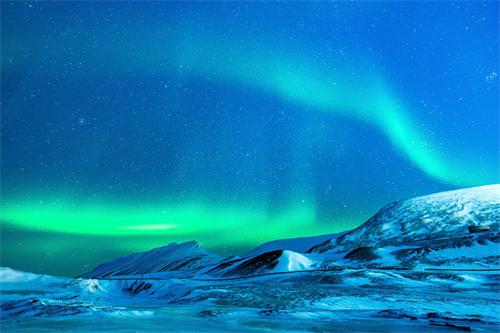
Once a thriving fishing village on the Arctic coast, Teriberka is now known for its “ship graveyard.” Here, the Northern Lights reflect on the sea, creating a dreamlike scene. It’s just a two-hour drive from Murmansk, making it convenient despite its rustic conditions.
Lovozero: Aurora Base in the Wilderness
Lovozero, with minimal light pollution, hosts small aurora camps with cozy log cabins. Visitors can enjoy husky sledding, reindeer sleigh rides, snowmobiling, and ice fishing during the day, and watch the aurora at night. Meals feature venison, fish, and bread, though it’s wise to stock up on fruits and vegetables in Murmansk beforehand.
Aurora Tips
- Use MeteoEarth for weather and Aurora apps for aurora forecasts.
- Join a guided “aurora hunting” tour for higher success rates.
- Flights from Moscow or St. Petersburg to Murmansk take 2–2.5 hours, while trains are cheaper but take 27–35 hours.
Transportation and Apps
- Taxis: Use Yandex Go, cash payment recommended.
- Maps: Yandex Maps for restaurants, transport, and attractions.
- Translation: Google Translate is essential since English is not widely spoken.
Recommended for you: